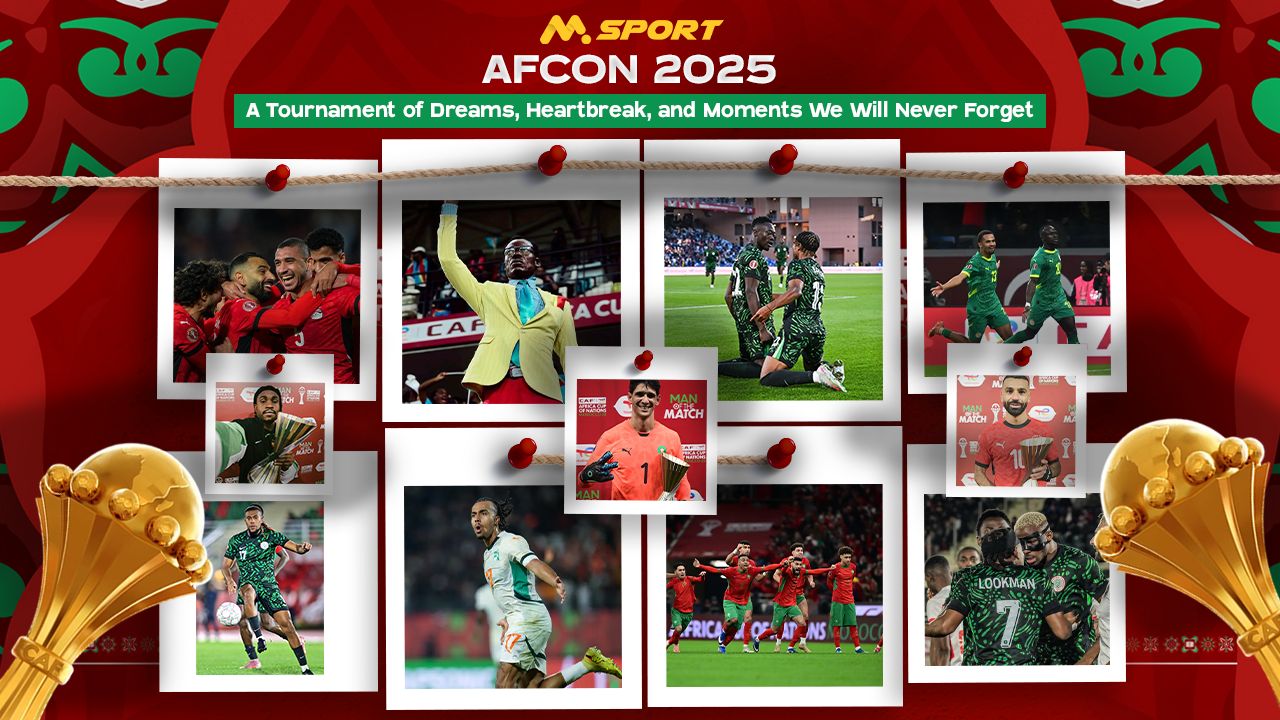
There are tournaments you watch.
And there are tournaments, you feel.
AFCON 2025 belongs firmly in the second category.
Less than 48 hours before the final in Rabat, the air around the Prince Moulay Abdellah Stadium feels heavier than normal. Not because of the Atlantic humidity or the flares that have painted Moroccan nights red for weeks, but because history is sitting in the stands with us. Watching. Waiting.If you truly followed this Africa Cup of Nations, not just the scores but the moments in between, the pauses, the arguments with VAR, the prayers before penalties, the songs that followed teams across cities, then you already know this was not a normal tournament.
It was loud. It was messy. It was brilliant.
It began like a movie. Fireworks over Rabat. Zellige patterns projected onto the pitch. Davido and French Montana sharing a stage. Africa announcing itself, not asking for permission. But beneath the spectacle lived the real AFCON story. The part that cannot be rehearsed.
Giants fell early. Underdogs refused to behave like extras. Technology failed. Heroes aged in real time. New stars arrived without warning.
This was not just football. This was Africa being Africa, amplified.
And before we talk about who made the final, we have to talk about who never even showed up.
The Ghost at the Feast: Ghana’s Absence
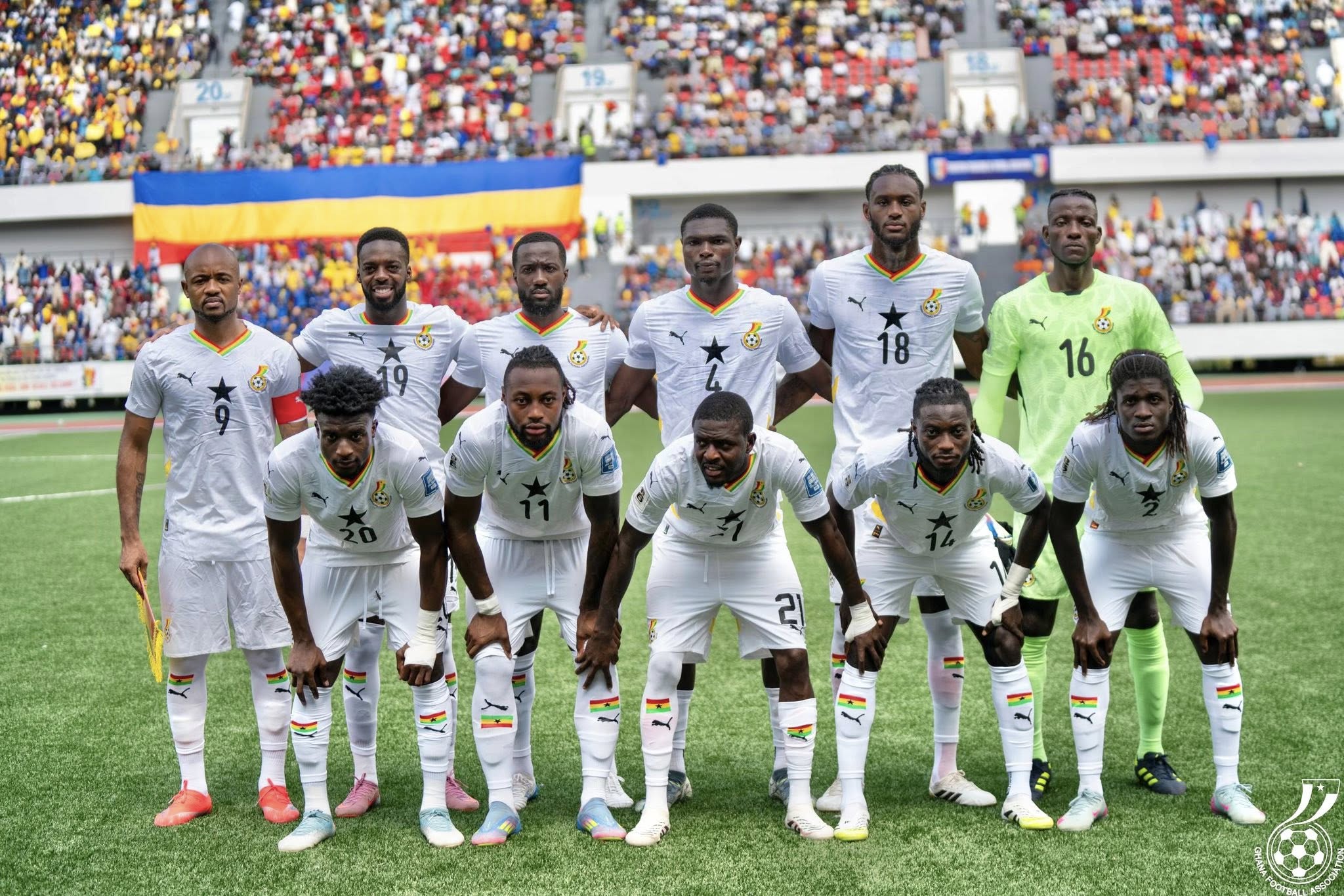
AFCON without Ghana felt wrong. Like a family photo with someone missing and nobody wanting to mention it.
Four-time champions. Twenty-four appearances. Royalty of the competition. And yet, when the music started in Morocco, the Black Stars were nowhere to be found.
Ghana’s absence changed the tone of the entire tournament. It became a warning sign hanging over every giant.If it could happen to them, it could happen to anyone.
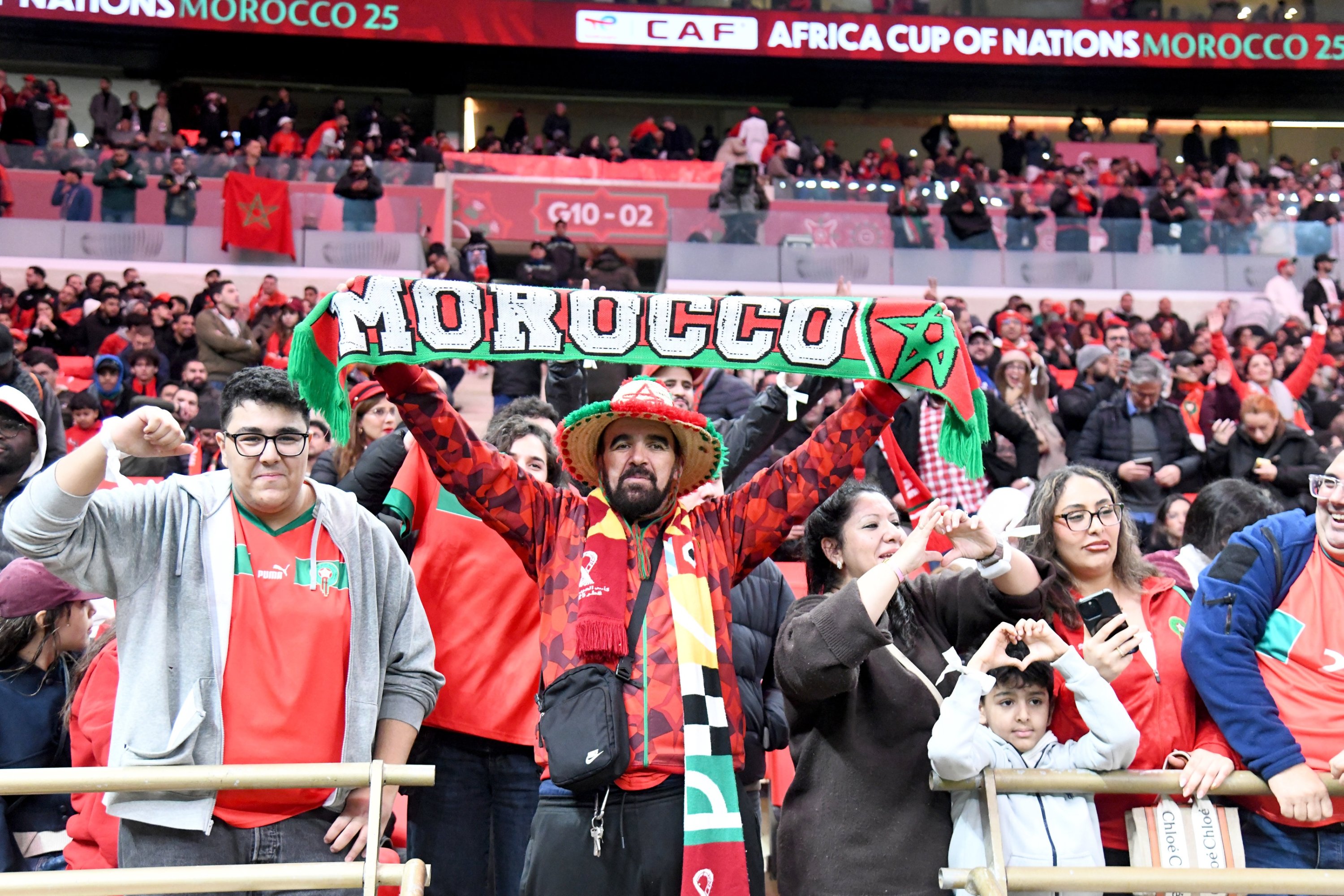
Morocco and the Weight of Hosting
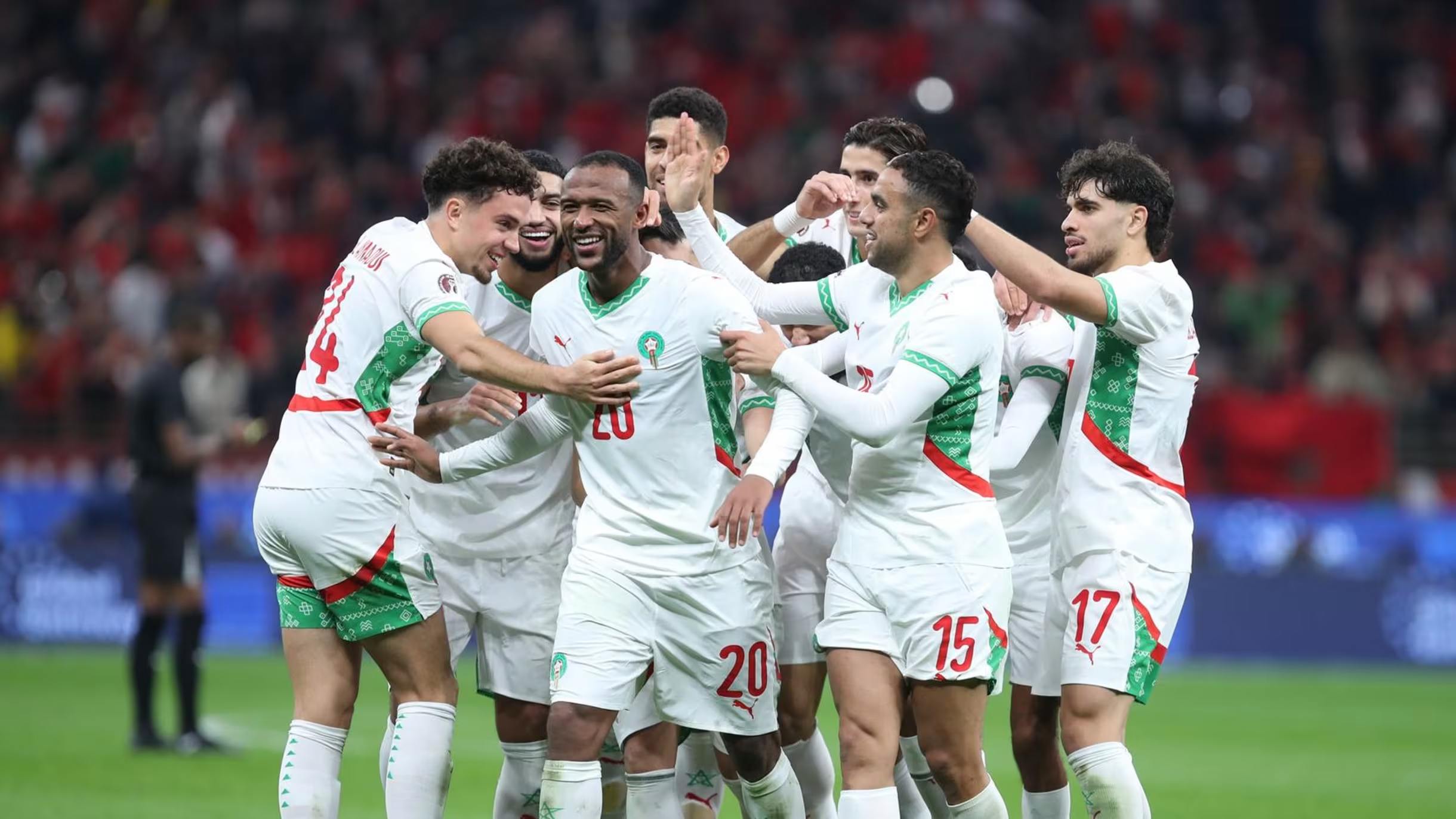
Hosting AFCON is like throwing a party while also being judged by everyone in the room. Morocco did not flinch.
Walid Regragui arrived with something new. Not the deep defensive block that shocked the world in 2022, but a braver, more dominant version of his team. Possession. Control. Confidence.
Not a winger. Not a classic number ten. Something in between. Drifting, pulling defenders out of shape, appearing where nobody wanted him to be. He scored. He created. He dictated.
Morocco topped their group, but Mali showed the blueprint. Press them high. Isolate Díaz. Make them uncomfortable. The hosts were excellent, but not untouchable.
That tension followed them all the way to the final.
Egypt, Nigeria, and Two Very Different Truths
Egypt never tried to impress anyone. They never do.
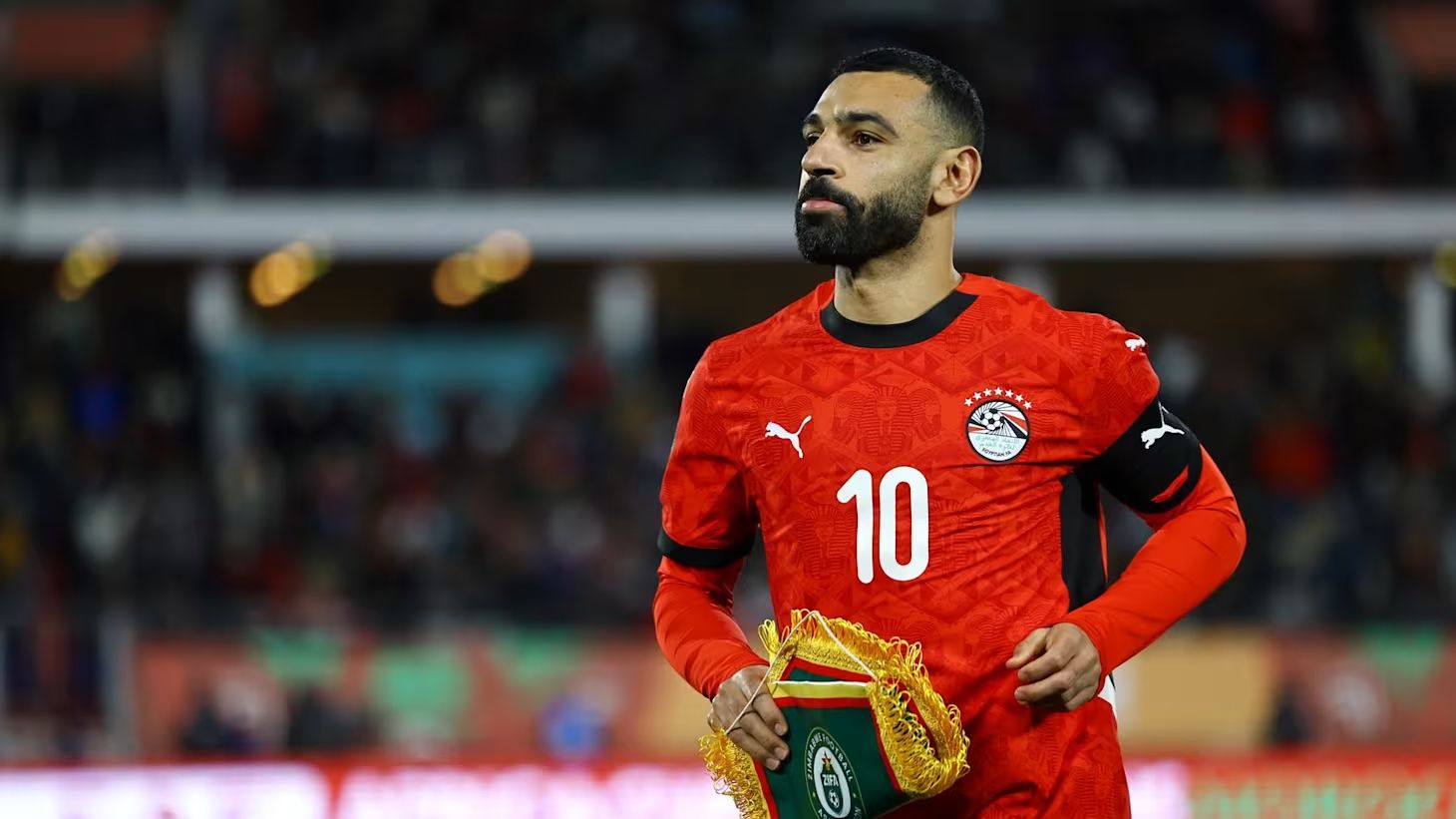
They won ugly. They won late. They won because Mohamed Salah still bends reality when he needs to. A penalty here. A last-minute goal there. Grindcore football. No apologies.
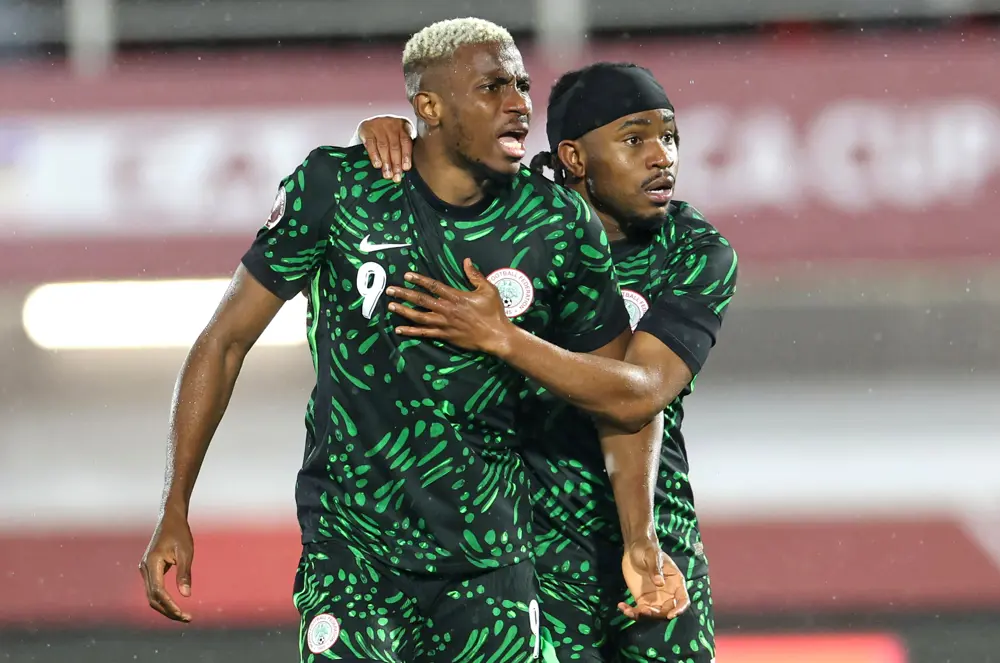
Nigeria were the opposite.They were chaos, speed, and noise. Osimhen running through defenders. Lookman gliding between lines. Midfielders pushing forward like rules did not apply.
They scored goals for fun and conceded chances just as freely. They were the most entertaining team in the tournament. Also the most fragile.
Both approaches worked. Until they didn’t.
VAR Goes Dark and AFCON Shrugs
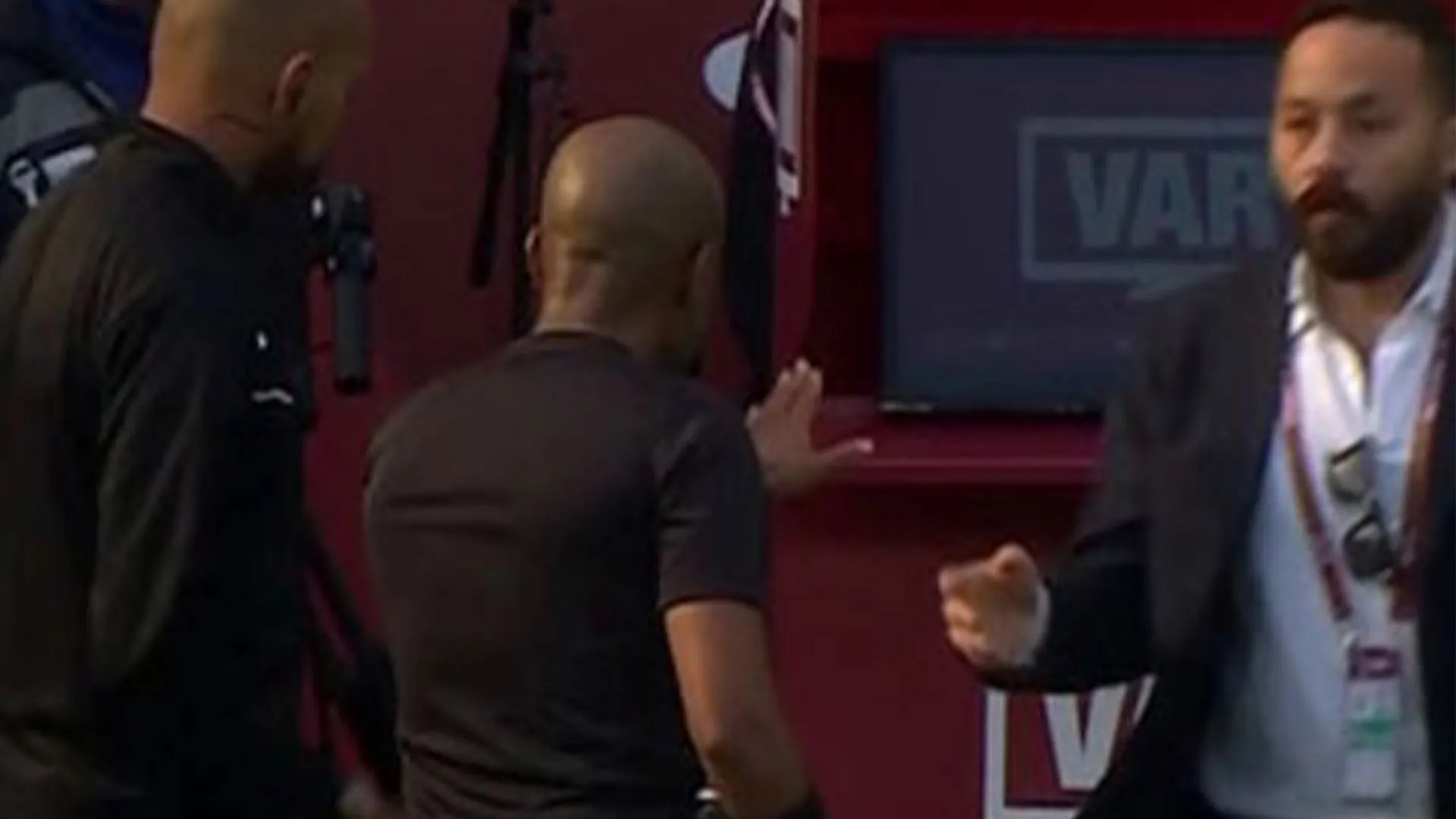
In DR Congo vs Benin, technology failed. For twenty minutes, football returned to instinct and argument. A possible penalty waved away because the screen simply did not work.
It was peak AFCON. Ridiculous. Infuriating. Unavoidable.
You can have the best players, the biggest sponsors, and the newest systems. Sometimes the plug just comes out.
The Man Who Never Sat Down
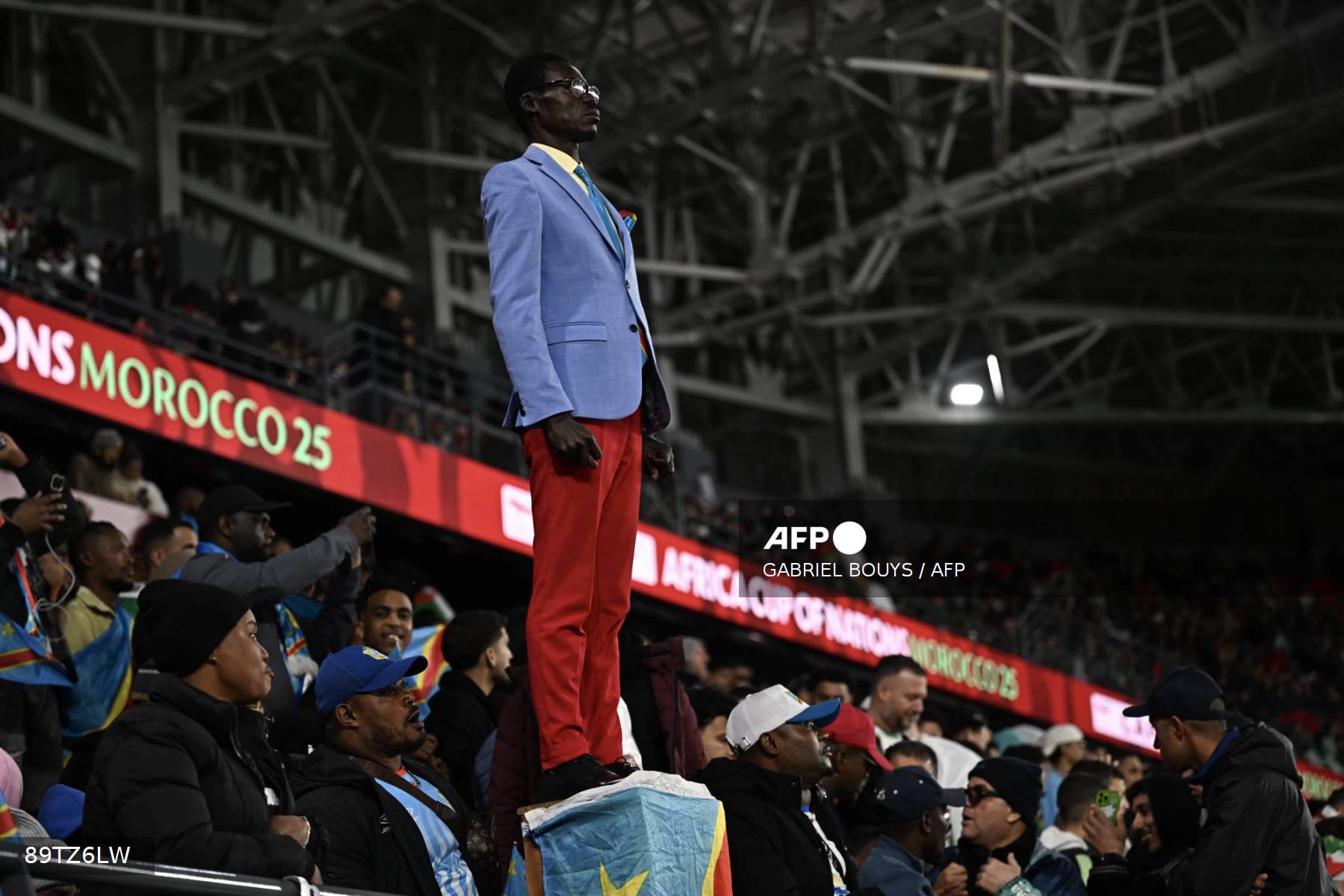
During Congo’s matches, a supporter was always visible, standing for the entire ninety minutes. While others sat, jumped, and celebrated, he remained upright. Later, he explained why. He stands in honor of Patrice Lumumba, Congo’s first prime minister. For him, sitting felt wrong.
What began as a quiet act of remembrance briefly turned ugly when an Algerian player was seen mocking him during a match. The clip spread fast. But so did the response. Fans, players, and journalists across the football world rallied around the supporter, turning mockery into education. Lumumba’s story resurfaced. Context mattered again.
Then came the moment that sealed it. An edit of the man standing, set to Stromae’s Papaoutai. The song’s theme of absence and loss gave the image a deeper meaning. The video went viral, and the supporter became a symbol of memory, dignity, and why African football is never just about the scoreline.
And Now, the Final
Hosts versus holders. Destiny versus experience.
Brahim Díaz chasing legend. Sadio Mané guarding legacy. Bono against muscle memory. Hakimi flying forward. Koulibaly standing firm.
It feels earned. It feels right.
No matter who lifts the trophy, AFCON 2025 has already won.
Because years from now, we will not remember every scoreline.
We will remember the feeling.
The noise.
The heartbreak.
The chaos.
The moments that refused to fade.
And we will smile, because we were there for it.