

For every champion who scored, another was sinking inside. Some battled addiction to numb the pain. Some walked away from the game. And some, heartbreakingly, couldn’t make it out alive.
Here are the untold stories of athletes who lived through the weight of depression; men and women who remind us that behind every victory is a human being trying to hold it together
💔 Robert Enke: The Goalkeeper Who Lost His Fight
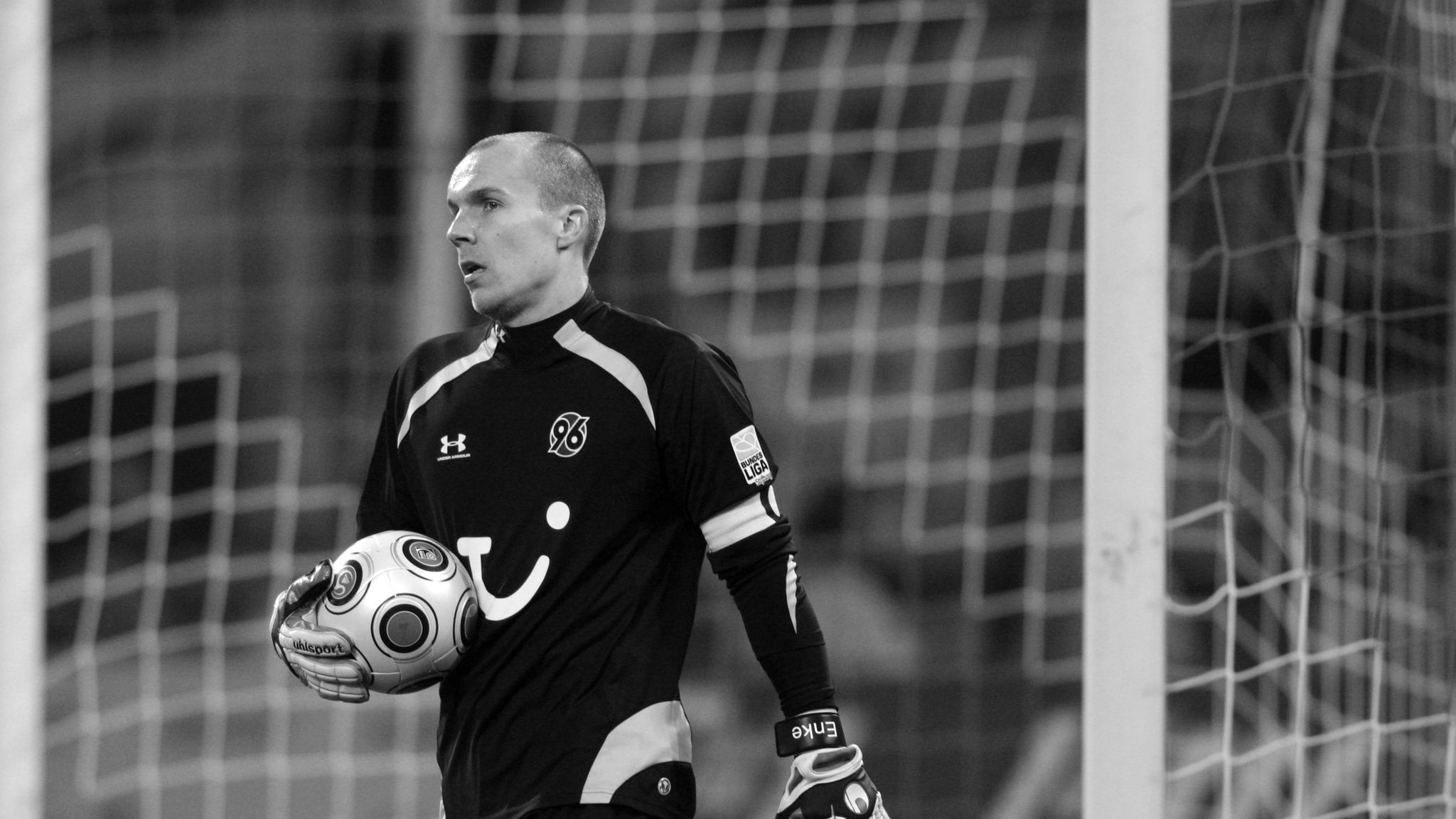
Robert Enke was Germany’s No. 1, a national treasure, and by all appearances, a happy man. Inside, he was breaking.
He had fought depression for years in secret, terrified that speaking up would end his career. The loss of his young daughter pushed him deeper into despair.
On November 10, 2009, he parked his car near a train track and ended his life. His wife Teresa later said, “He didn’t want to die. He just wanted the pain to stop.”His death forced football to confront a truth it had ignored for too long: that courage isn’t always visible.
💍 Josip Ilicic: When Betrayal Became Too Heavy to Bear

In 2020, Atalanta’s Josip Ilicic was flying. Then, out of nowhere, he vanished. Reports later revealed that on a surprise trip home to Slovenia, he found his wife with another man.
The betrayal destroyed him. Depression took over, and Ilicic withdrew from football entirely. The player who once danced through defenses couldn’t even face the world. “He was gone in spirit,” a teammate said later.
His story isn’t just about heartbreak. It’s about how fragile a person can be when everything, love, trust, and confidence, collapses at once.👑Adriano: The Emperor Who Couldn’t Outrun His Grief
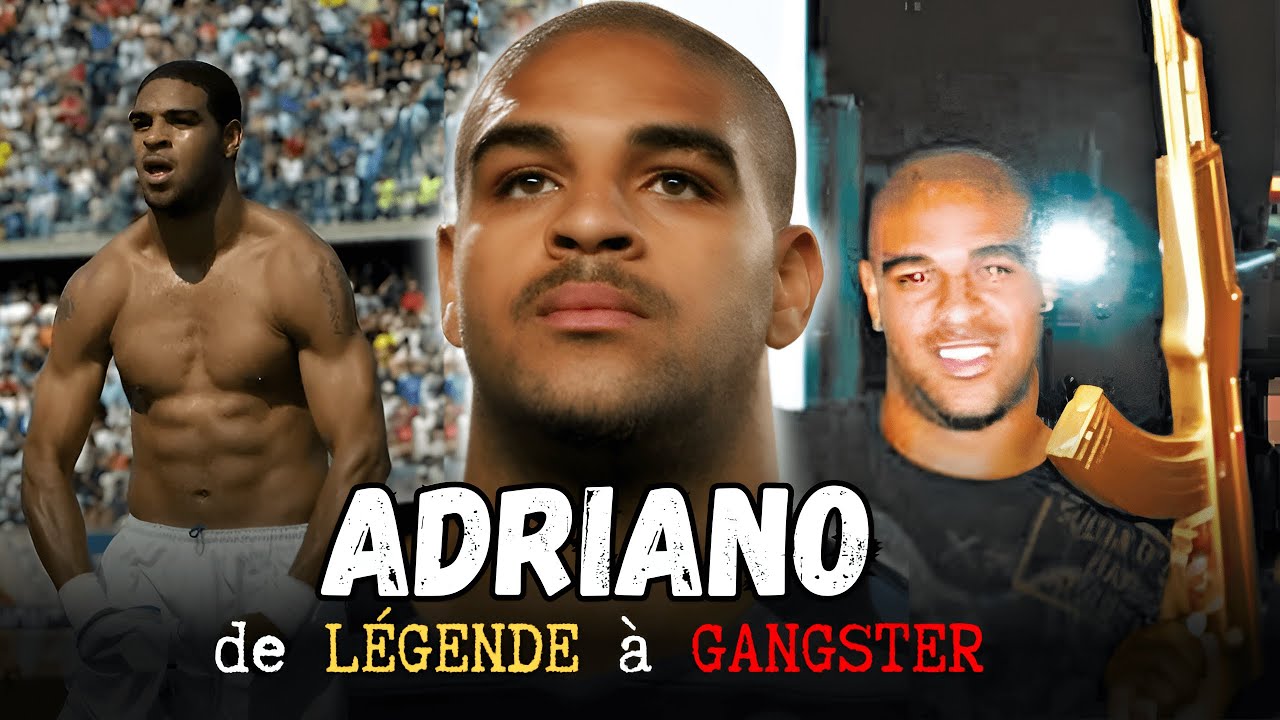
When Adriano was at his peak, he was unstoppable. A left foot like thunder, a grin that lit up San Siro. Then, in 2004, his father died.
That was the turning point. “After he died, I didn’t want anything. I only wanted to drink,” Adriano once said.
He showed up to training drunk, disappeared for days, and watched his career crumble. Inter Milan begged him to come back, but depression doesn’t respond to coaches. Adriano wasn’t lazy or lost; he was mourning. The game moved on, but he couldn’t.
🏈Junior Seau: The Cost of Every Hit🇺🇸
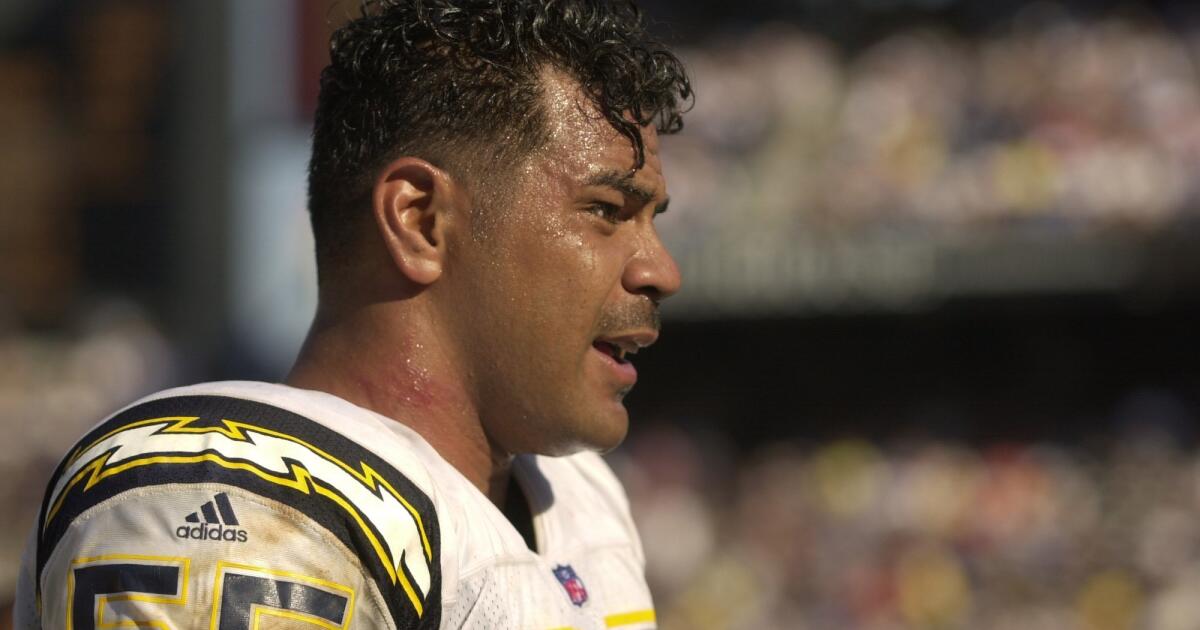
Junior Seau was one of the NFL’s most respected players. He played through pain, smiled through injuries, and lived for competition. In 2012, he shot himself in the chest. He was 43.
Later, doctors found he had chronic traumatic encephalopathy, brain trauma caused by years of hard hits. His body had survived the game. His brain hadn’t.
🥊The Boxers Who Forgot Who They Were
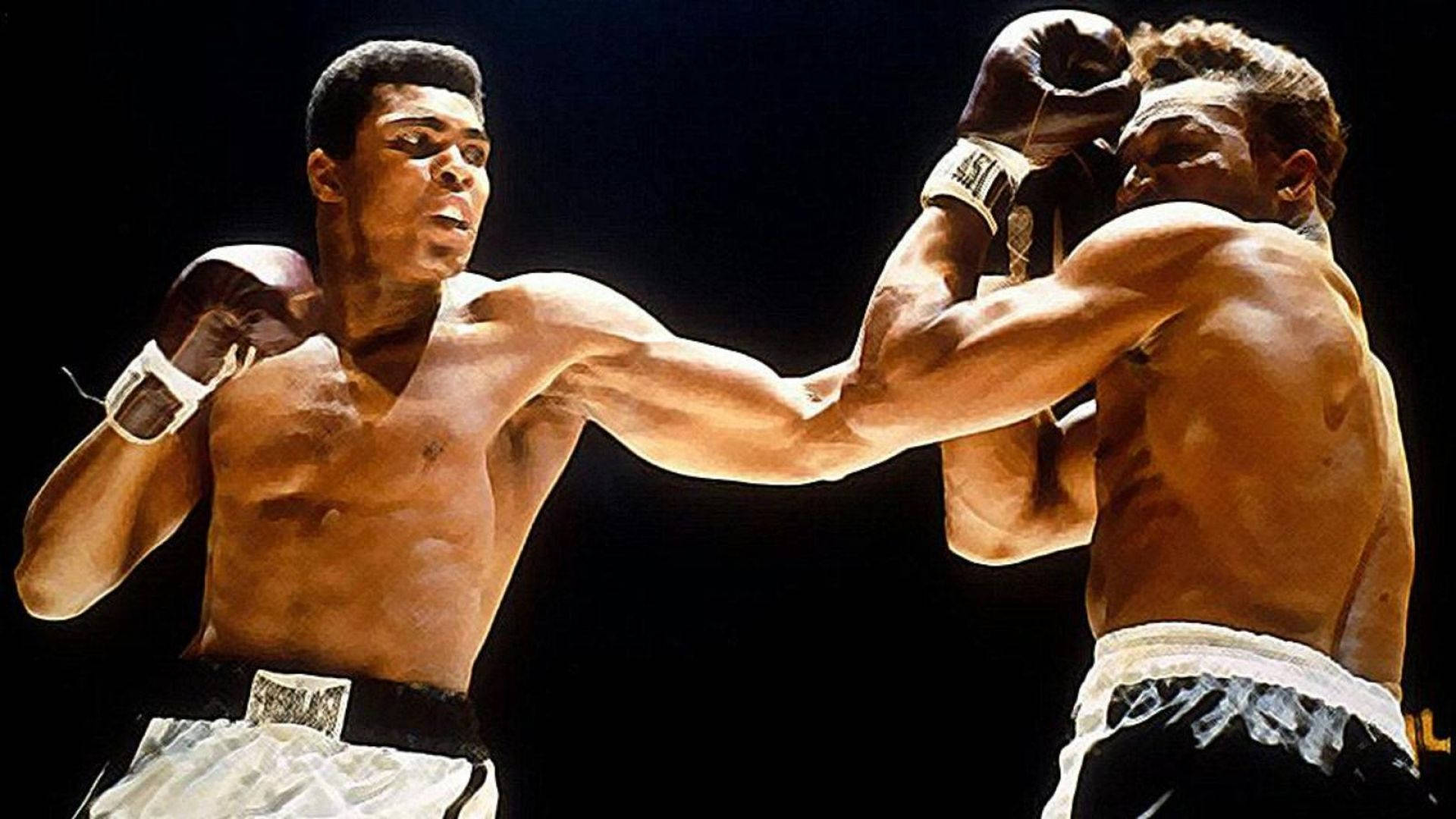
Muhammad Ali lived with Parkinson’s disease, likely triggered by decades of punches to the head. Jerry Quarry, once a heavyweight contender, developed dementia in his 40s. By the time he died, he couldn’t recognize his family.
They gave everything to the crowd: their skill, their bravery, and, ultimately, their peace.
🎾Naomi Osaka and Simone Biles: The Courage to Stop
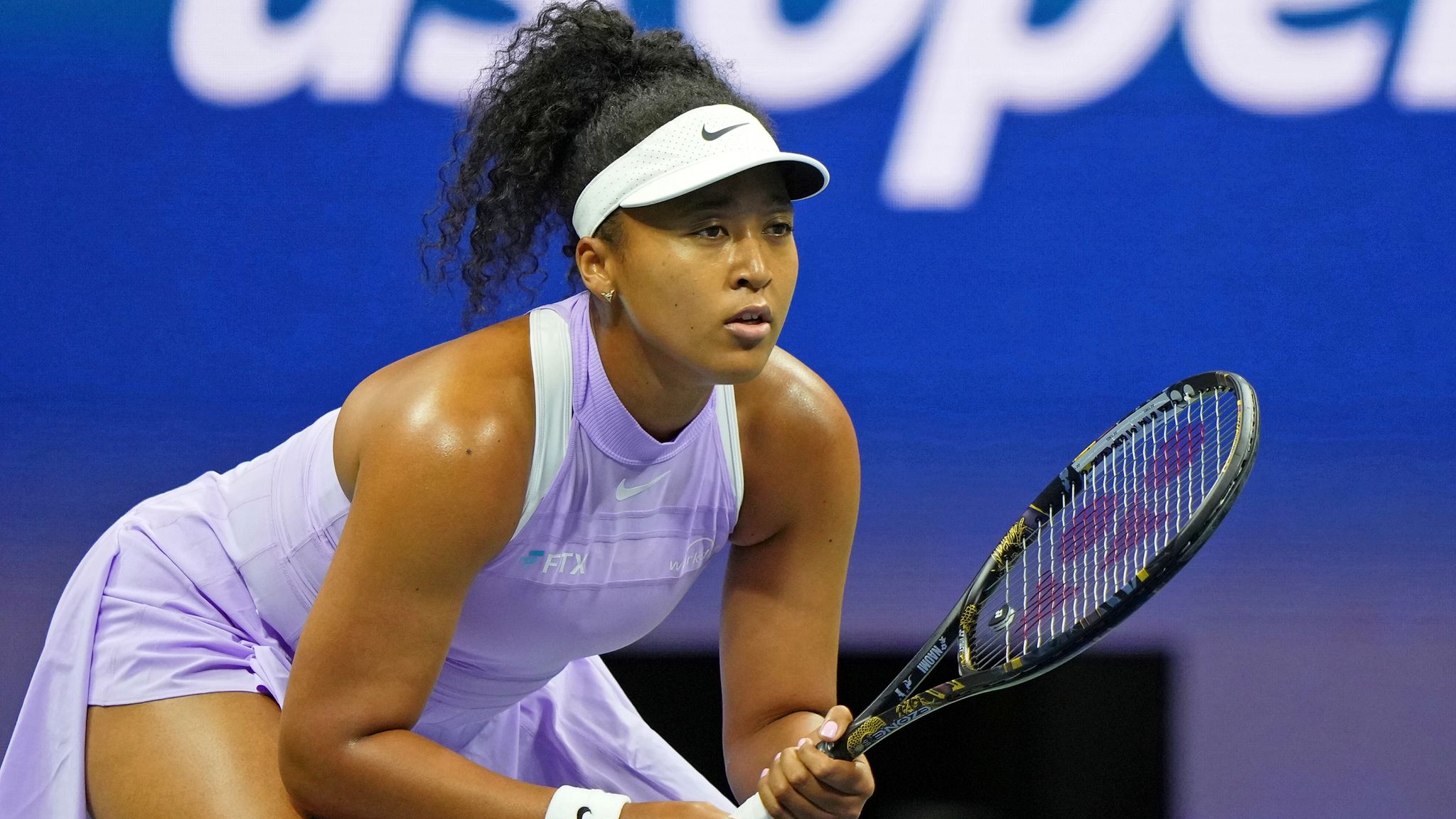
Naomi Osaka walked away from the French Open in 2021, saying she was struggling with depression and anxiety. “It’s okay not to be okay,” she wrote, sparking a global conversation.
Simone Biles, at the Tokyo Olympics, did the same. She withdrew mid-competition to protect her mental health. Critics called her soft. But she called it survival. “I have to focus on myself,” she said.
These women taught the world that strength isn’t silence; it’s honesty.
🏊Michael Phelps: The Greatest Olympian Who Felt Worthless
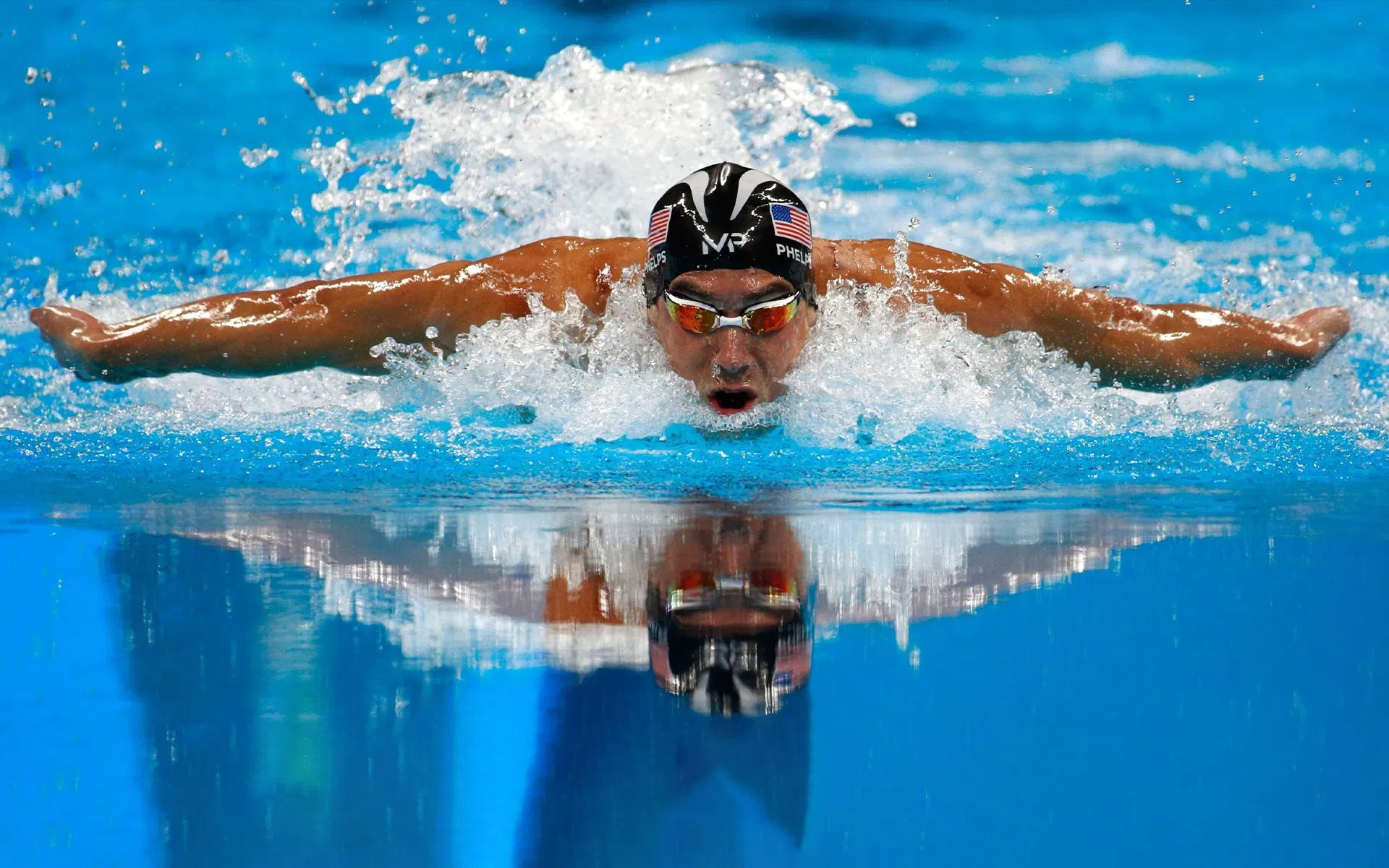
He’d spent his life chasing perfection, and when it was over, he didn’t know who he was. “I thought of myself as worthless,” he said.
Now, he uses his platform to advocate for athletes’ mental health. His pain became his message: You can’t outswim your thoughts.
📊 The Numbers Behind the Pain
Behind the medals are untold stories of sleepless nights, panic attacks, and silent breakdowns.
✍️ The Silence After the Cheers
Some walked away. Some didn’t make it.
And maybe that’s the part of sport we rarely admit: behind the glory, some of our heroes are still fighting, just not on the pitch anymore.