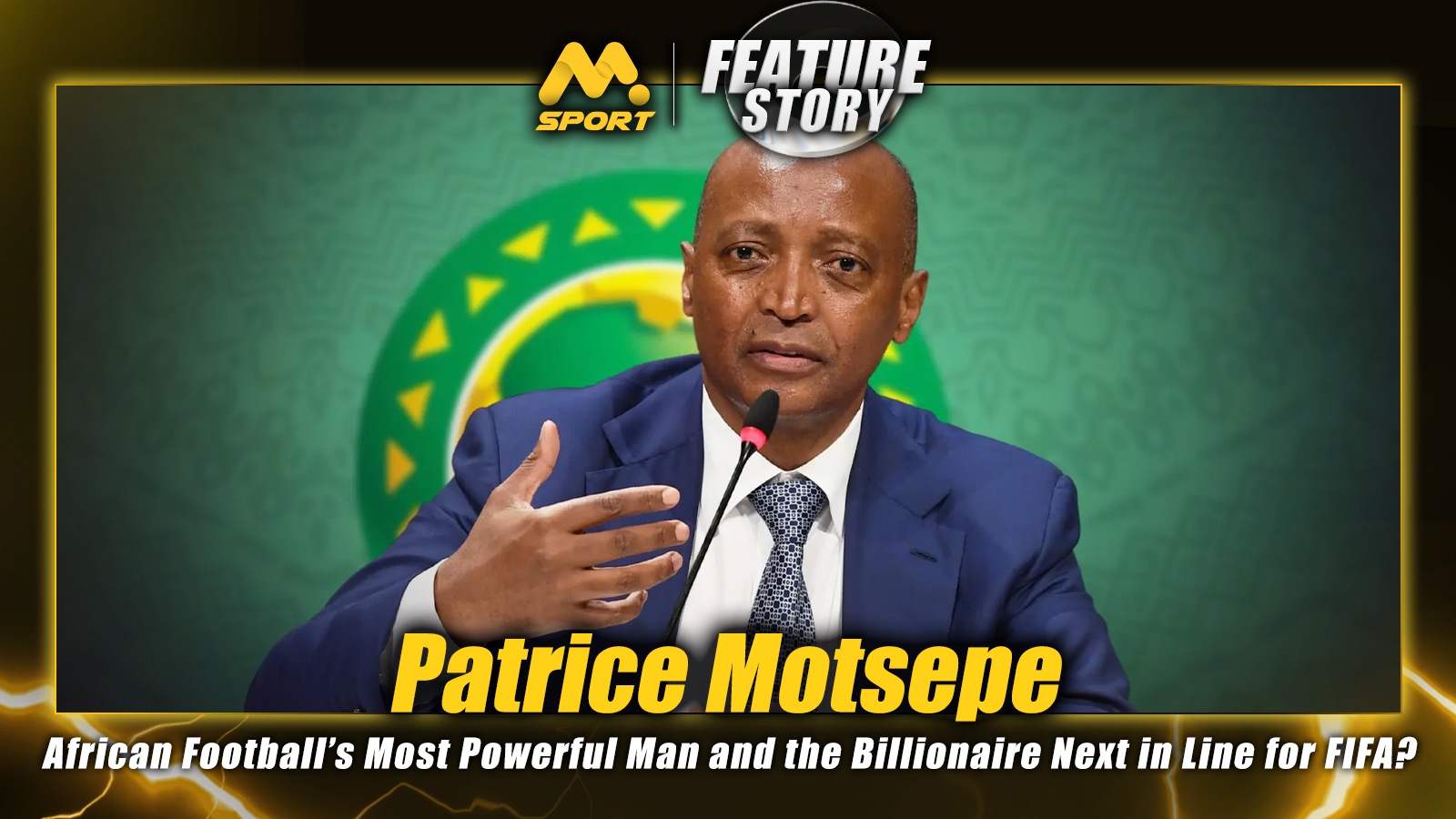
Patrice Motsepe likes to move before the room has settled. Sometimes before it has even noticed.
Shortly before the Africa Cup of Nations kicked off in Morocco, the CAF president dropped a decision that will shape African football for a generation. From 2028, AFCON will move from a two year cycle to a four year one. It was announced on the eve of the opening ceremony, wrapped inside a long presentation, and presented as the start of a “historic” new era.
Motsepe admitted it would be controversial. He was right.
Critics quickly accused CAF of hiding behind the noise of a major tournament, knowing the football would soon drown out the backlash. Until that moment, there had been little public hint that such a fundamental change was coming. Apart from the familiar tension with European clubs over player releases, nothing suggested African football’s flagship competition was about to be redesigned.
But surprise has become part of Motsepe’s story.
THE BILLIONAIRE INSTINCT

A trained lawyer who turned a struggling mining operation into extraordinary wealth, Motsepe became South Africa’s first Black billionaire by spotting gaps others ignored and backing himself to cross them. That instinct has followed him into football.
As CAF president, now in his second term, he holds the highest position any South African has reached in the game. He turns 64 this month, and at home there is constant speculation about what comes next. Some still whisper about politics, even after Motsepe dismissed the idea of leading the ANC or running for president with a blunt “I am not mad”.
Those close to him say not wanting power is exactly what makes him dangerous with it.
THE RELUCTANT CANDIDATE
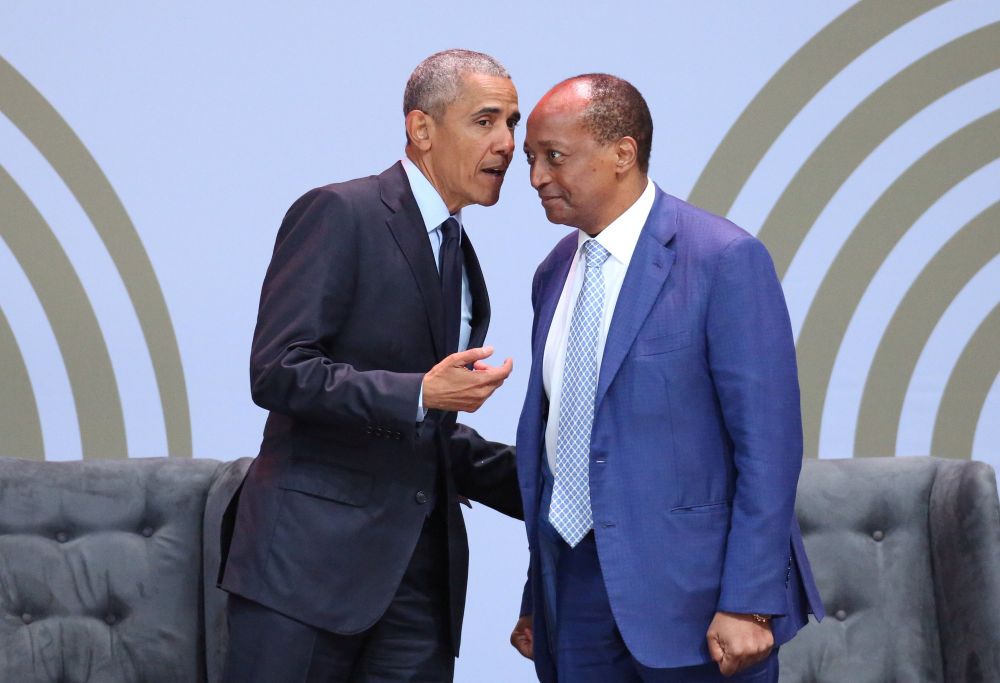
Motsepe never planned to run CAF. Danny Jordaan, head of the South African FA, tells how he had to be persuaded to stand. Motsepe worried about CAF’s debt, its reputation, and the endless internal battles. He had already poured time and money into Mamelodi Sundowns, transforming them into a continental force since buying the club in 2004.
He asked Jordaan whether a university professor would choose to run a primary school.
The argument that won him over was simple. This was not just any institution. It was a gateway to global influence. Heads of state. World leaders. A seat at football’s top table.
HOW POWER CONSOLIDATED QUICKLY
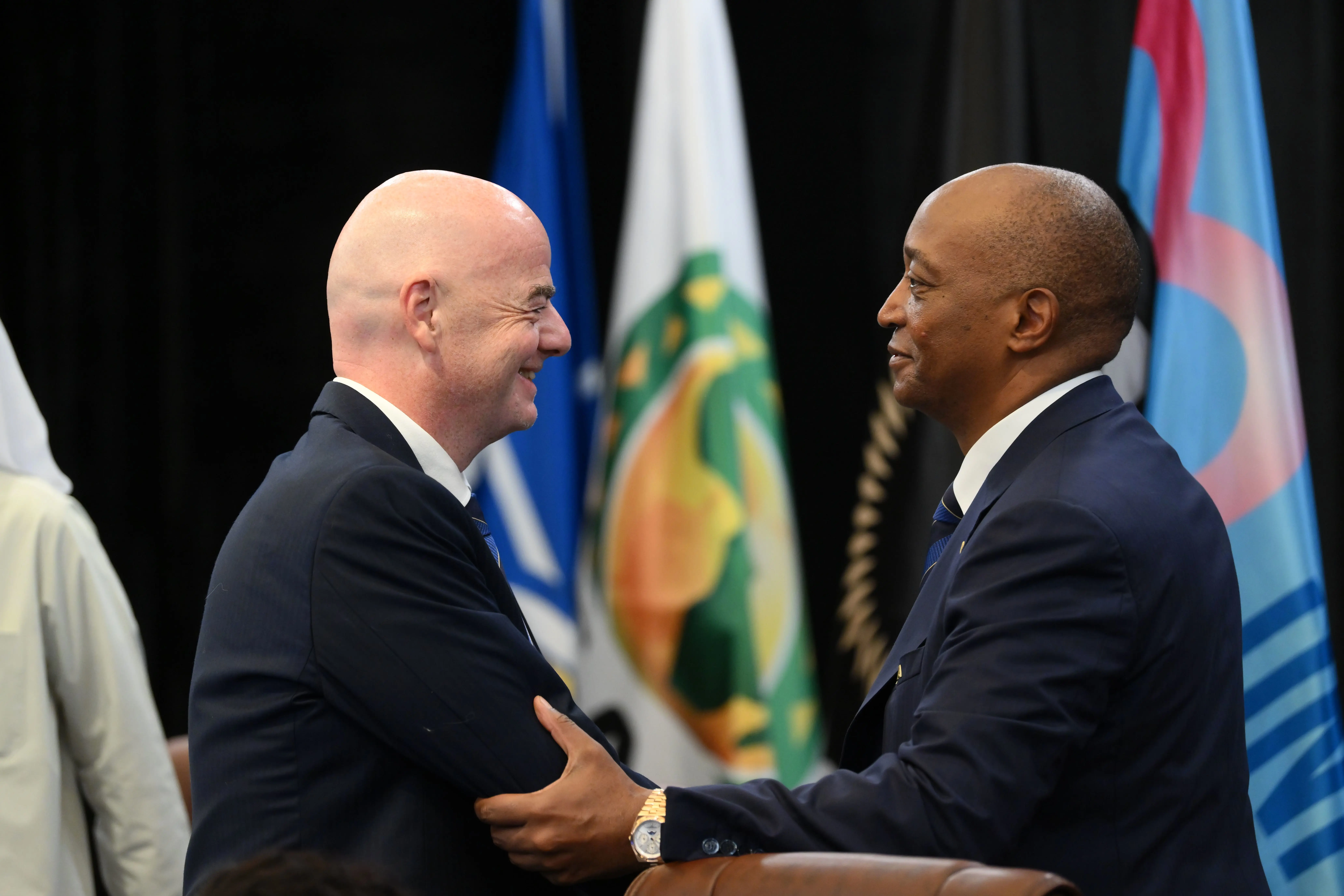
When Motsepe launched his manifesto in late 2020, events moved quickly. By March 2021, the other candidates had stepped aside. Officially, it was because Motsepe was seen as independent, wealthy enough to resist corruption, and bold enough to fix a broken system.
Unofficially, there was another factor that could not be ignored. His relationship with FIFA president Gianni Infantino.
CAF’s 54 member associations make up more than a quarter of FIFA’s total membership. Their support mattered deeply to Infantino as he secured his own future at the top of world football. From the start, Motsepe was clearly Infantino’s preferred candidate.
That closeness has fuelled accusations of FIFA tightening its grip on Africa, aligning the continent more closely with the interests of richer federations. The AFCON schedule change has only added to that perception.
Yet it would be unfair to ignore what Motsepe has actually done.
CLEANING UP CAF
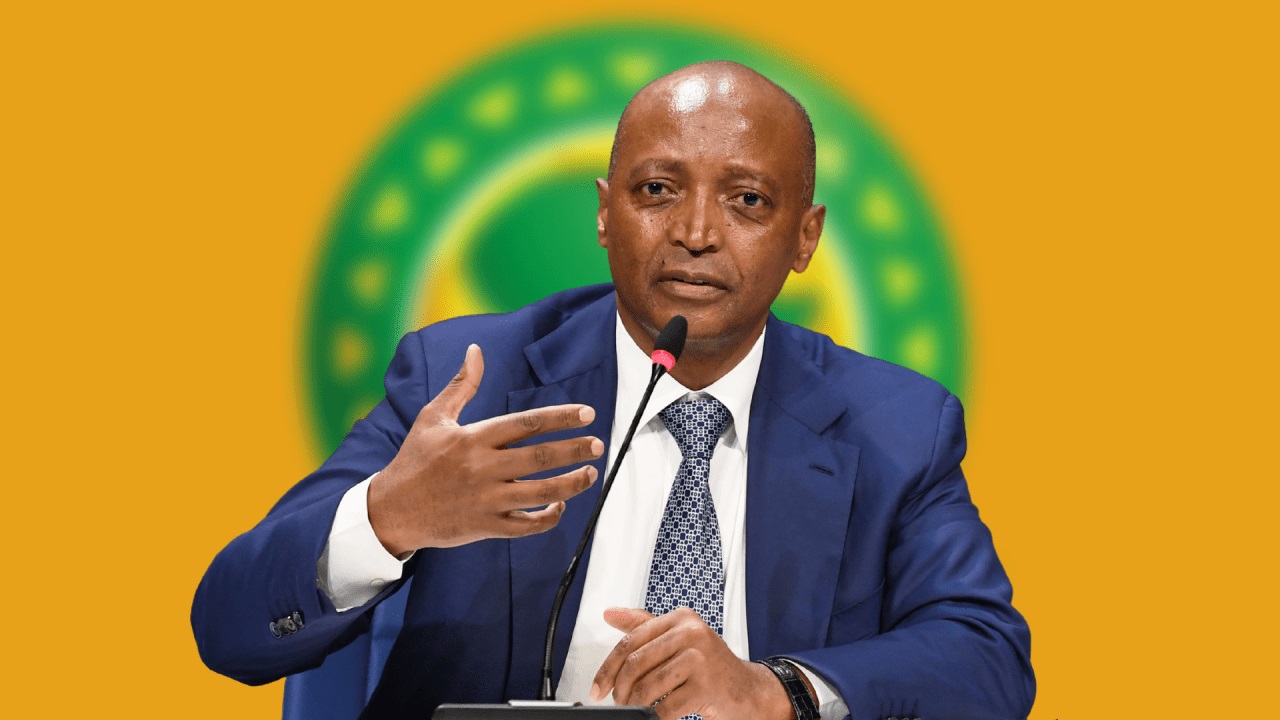
That progress has reopened an intriguing question. Could Motsepe one day aim even higher?
FIFA’s PRESENCE INSIDE CAF
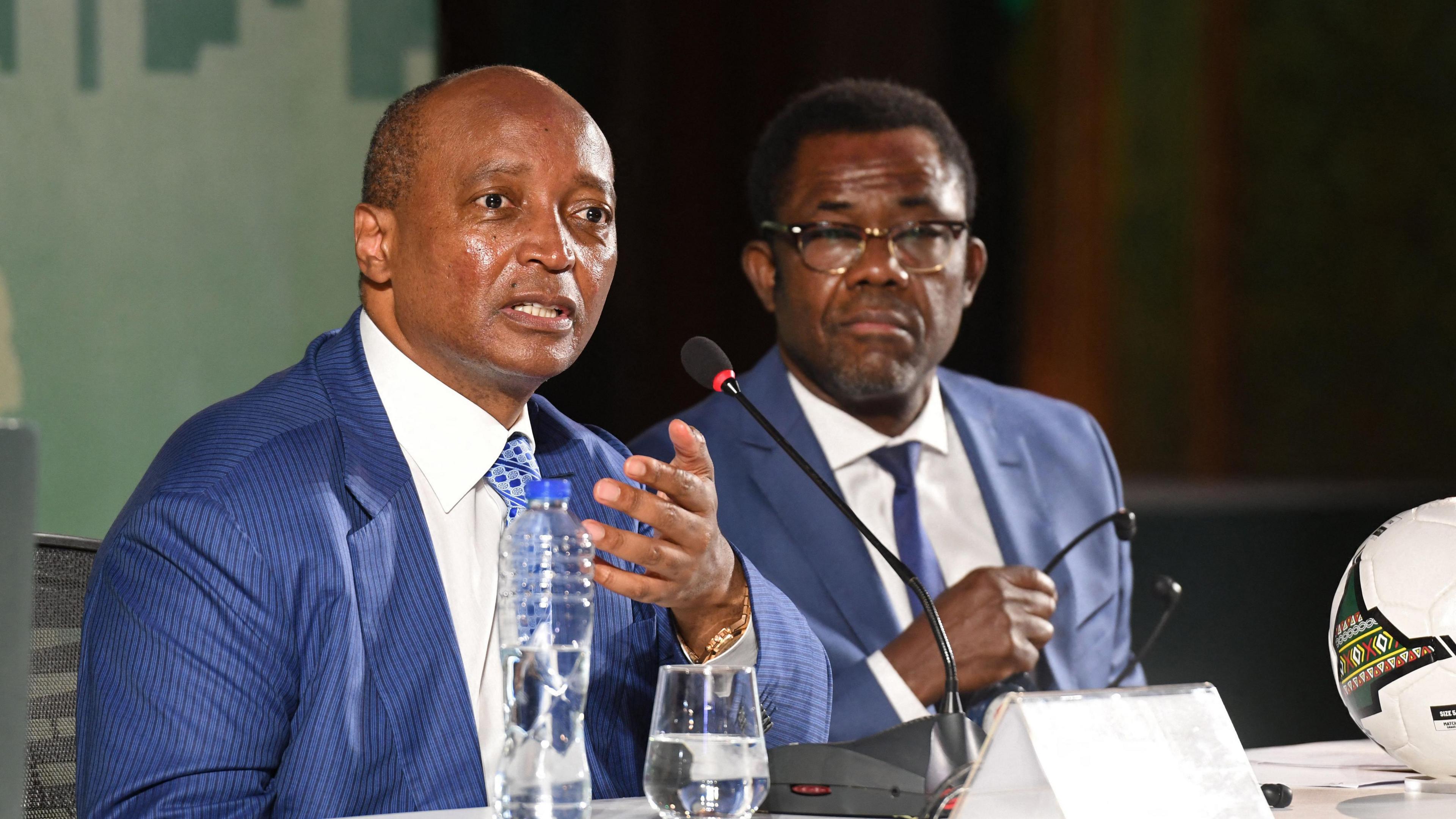
Photo Credit (BBC)
The sense of a shared Motsepe Infantino axis deepened when CAF appointed Veron Mosengo-Omba as general secretary. A Swiss national born in Congo, he studied law alongside Infantino and previously worked as FIFA’s chief officer for member associations.
For Motsepe, Mosengo-Omba brought experience and global reach. He spoke openly about tapping into the African diaspora and called him “world-class material”. Critics saw something else. FIFA’s fingerprints all over CAF’s rebuilding.
Motsepe had little choice but to work within that reality. CAF had effectively been under FIFA supervision since 2019, after former president Ahmad Ahmad was suspended and later banned for financial misconduct and abuse of office. The damage was severe.
SURVIVAL BEFORE REFORM
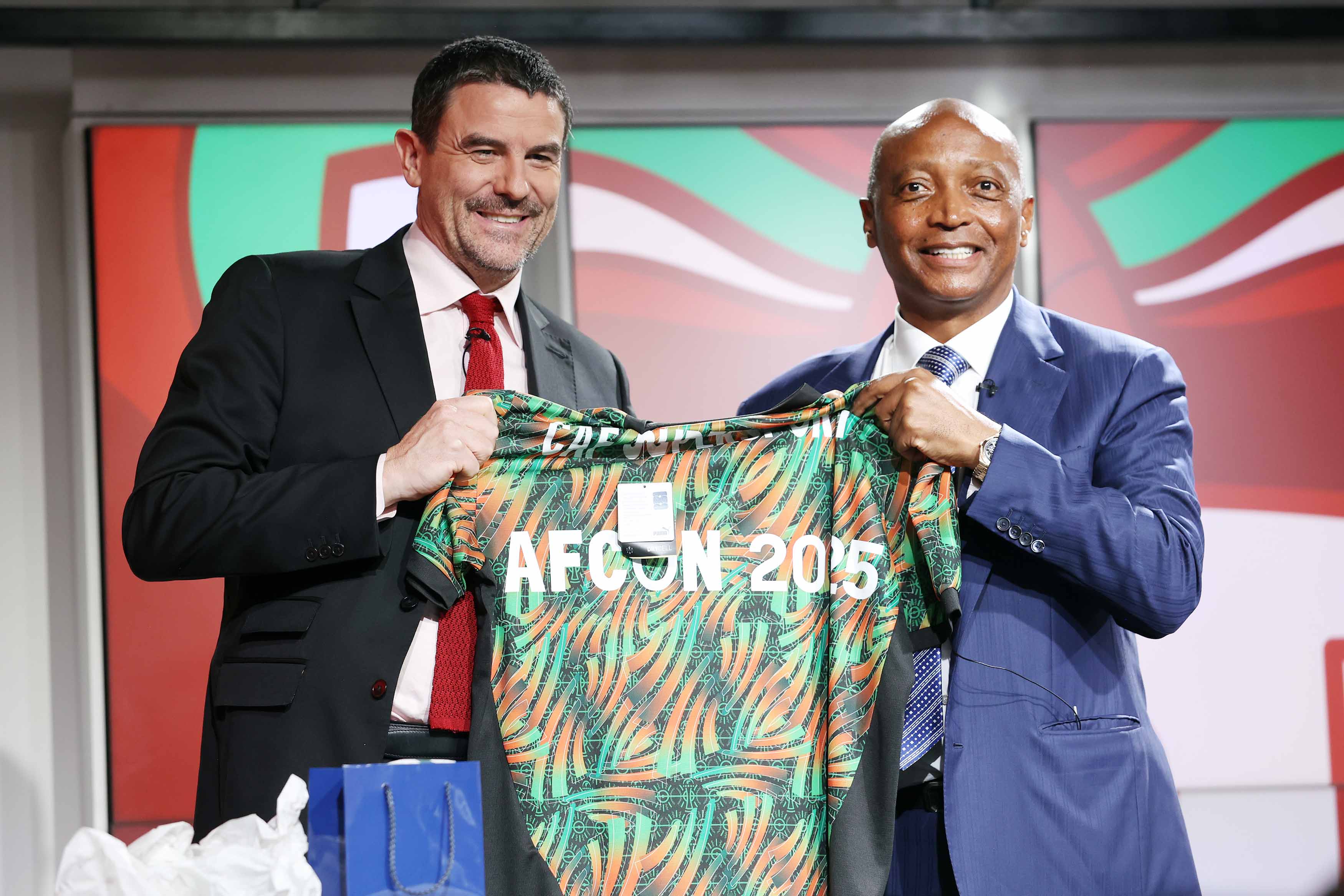
Photo Credit (CAF)
A major television and marketing deal had collapsed. African football disappeared from screens across the continent. Fans turned to European leagues instead. Money drained away.
Motsepe’s priority was survival.
To restore broadcasts, CAF struck a deal with Infront Sports and Media. The figures were barely discussed. The urgency mattered more than the optics. African football needed to be seen again.
Slowly, the numbers improved. CAF reported a profit of $9.48 million for 2023 to 24, its first in several years. Commercial revenue rose. Financial controls tightened. CAF was no longer living entirely off handouts from FIFA and UEFA.
This is the context behind the AFCON shake-up.
CAF believes fewer tournaments will mean stronger sponsorships, better planning, and less strain on host nations. The current cycle, combined with an expanded 24-team format, has stretched resources thin. Motsepe does not want African football running on debt every two years.
In its place, he has introduced an African Nations League, divided by regions and played annually. It is meant to keep players visible and fans engaged between AFCONs. Prestige will take time. That is the risk.
POWER, FOR NOW
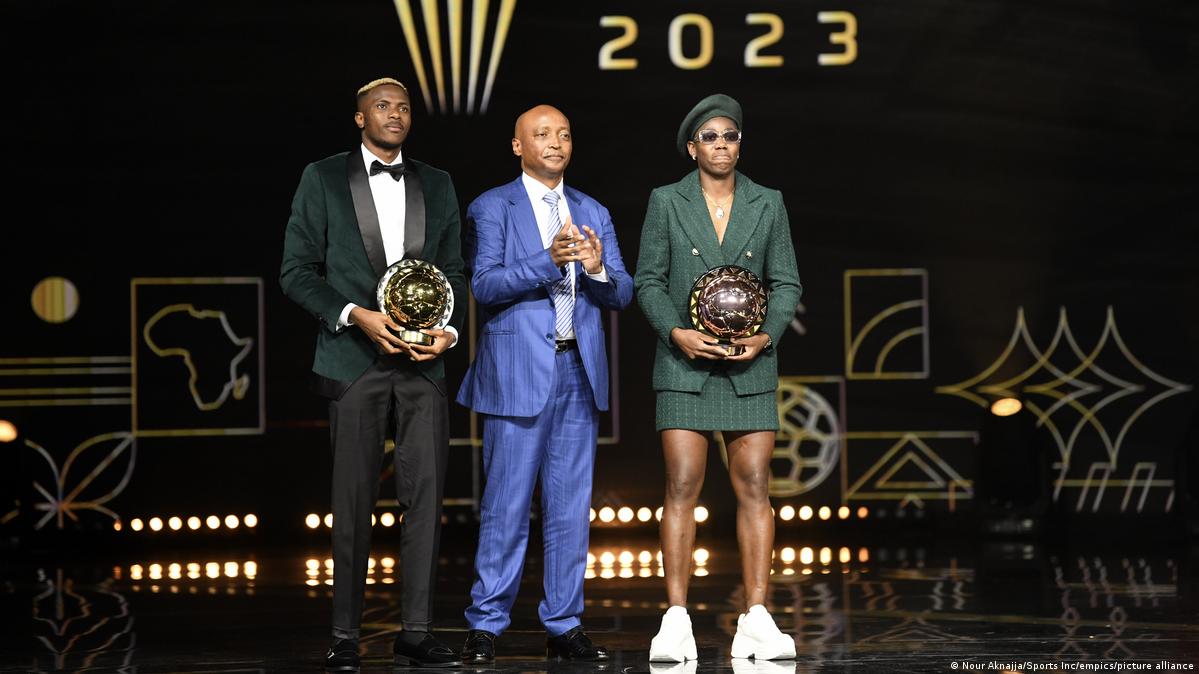
Motsepe has never been afraid of moving first and fixing later. It is how he built his fortune. It is how he has run CAF.
If his ambitions stretch beyond African football, whether toward FIFA or even national leadership one day, that instinct will need refining. At the highest level, surprise creates headlines. Foresight builds trust.
For now, Patrice Motsepe remains African football’s most powerful figure. The question is no longer whether he can change institutions. It is how far he wants to climb once he has done it.