

Over the last three decades, fifteen players have carried that burden of being the next big thing. Some conquered Europe, others got lost in its noise. From Lionel Messi’s rise in 2005 to Othmane Maamma’s breakout in 2025, this is what became of the U20 World Cup’s chosen few, the boys who once looked like the future of football.
1. Othmane Maamma (Morocco, 2025) 🇲🇦👑
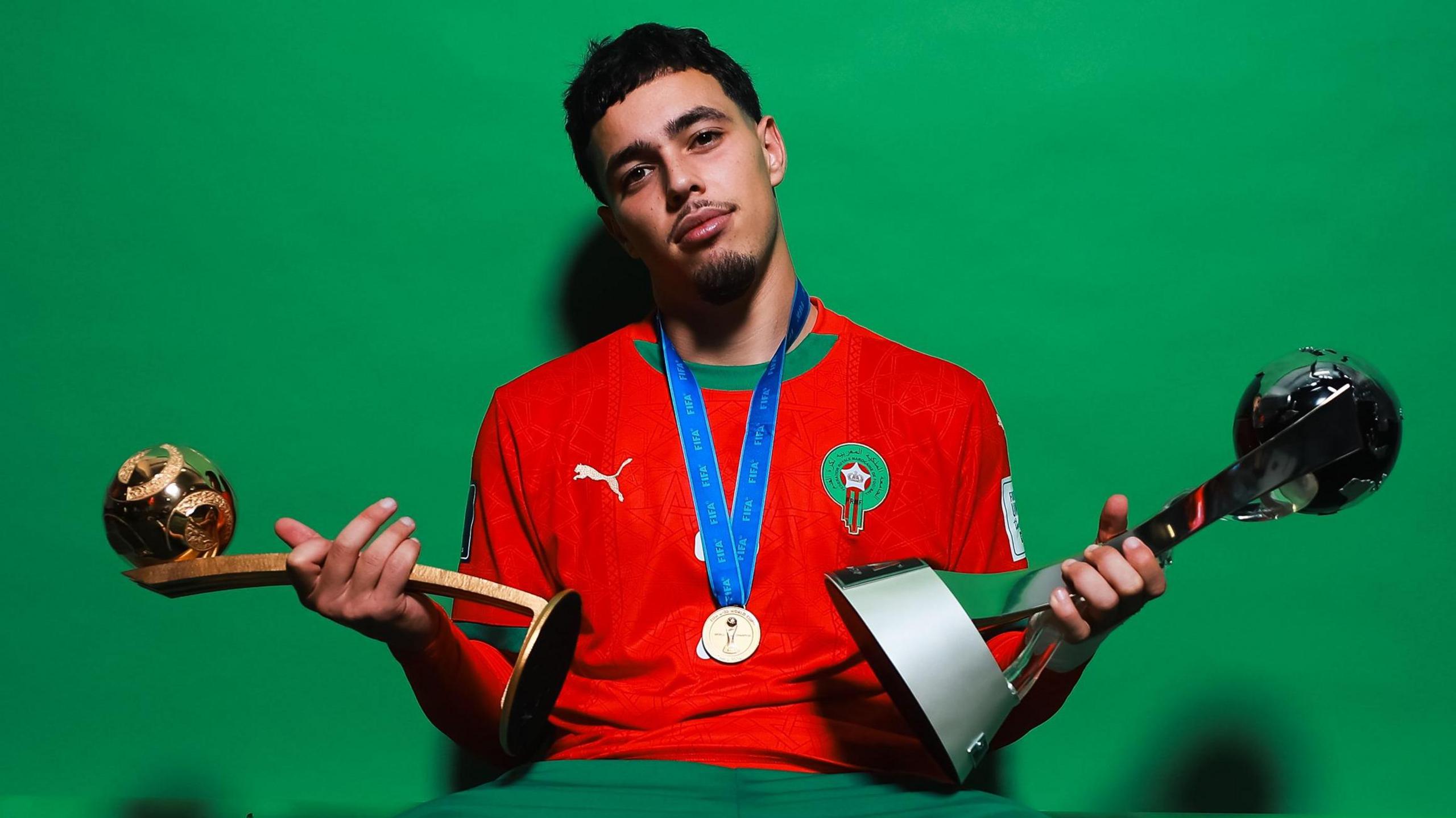
Morocco’s golden summer belonged to Othmane Maamma, a composed, left-footed conductor who made their midfield hum with rhythm and control. The 20-year-old from FUS Rabat didn’t just lead his team to a historic run; he made them play like they belonged. Scouts from Lyon, Sevilla, and Bologna reportedly followed every touch. He is football’s newest prophecy, the latest name to wear the invisible weight of the Golden Ball.
2. Cesare Casadei (Italy, 2023) 🇮🇹👑
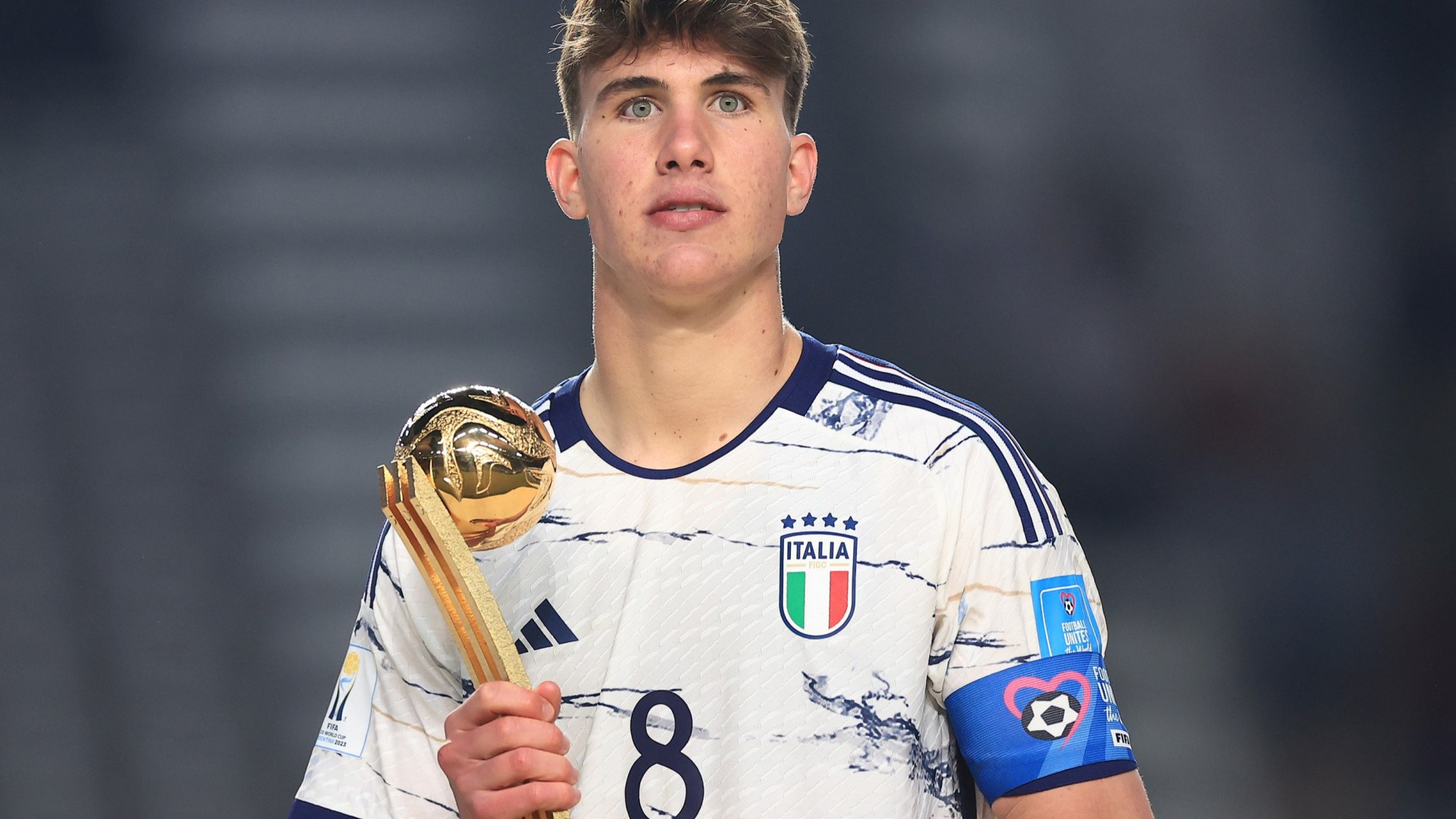 Few players have dominated a youth tournament quite like Cesare Casadei did in Argentina two years ago. Seven goals, two assists, endless running. He was Italy’s engine, leader, and goalscorer rolled into one. Chelsea fans thought they’d found a future star. But the Premier League has a way of humbling even the brightest talents. Now 22, Casadei has floated between loan spells and cup cameos.
3. Lee Kang-in (South Korea, 2019) 🇰🇷 👑
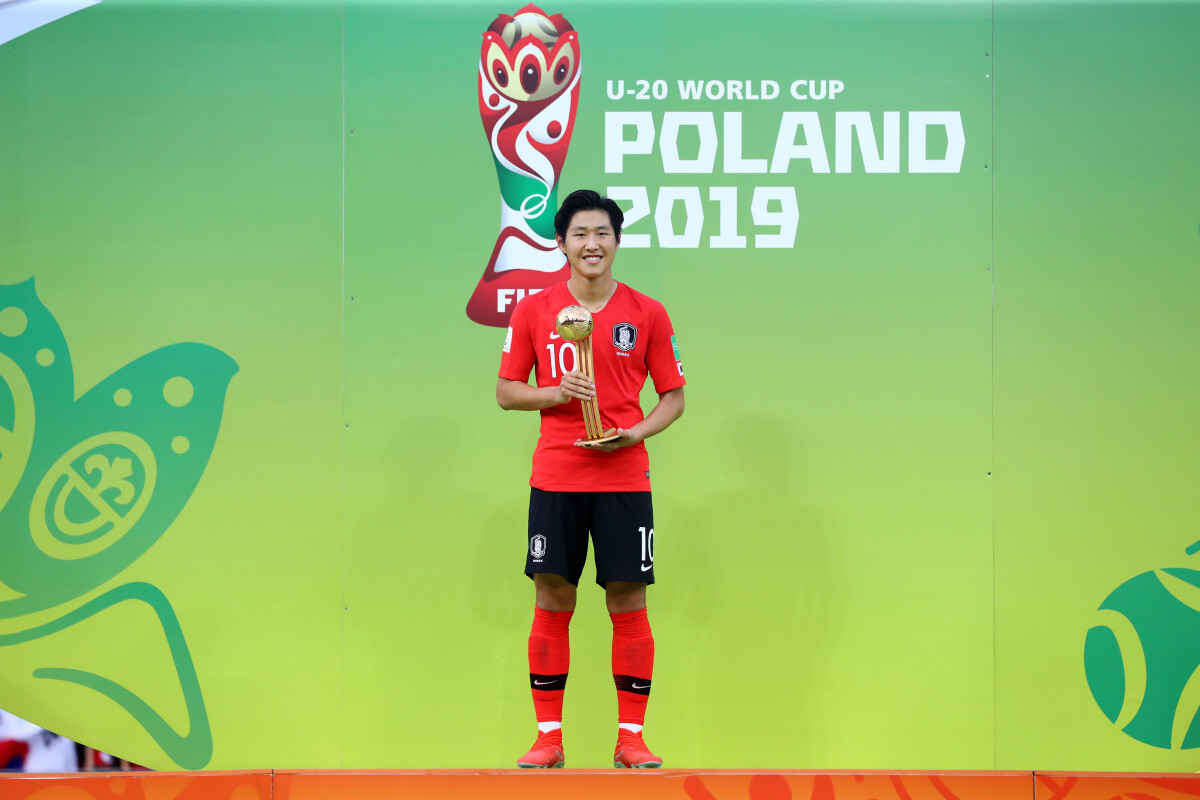
When Lee Kang-in won the Golden Ball in Poland, it felt like the beginning of something new for Asian football. He had technique, vision, and a left foot that could cut through defences. A few years later, he’s a Champions League winner with Paris Saint-Germain and a national hero in Seoul.
4. Dominic Solanke (England, 2017) 🏴👑
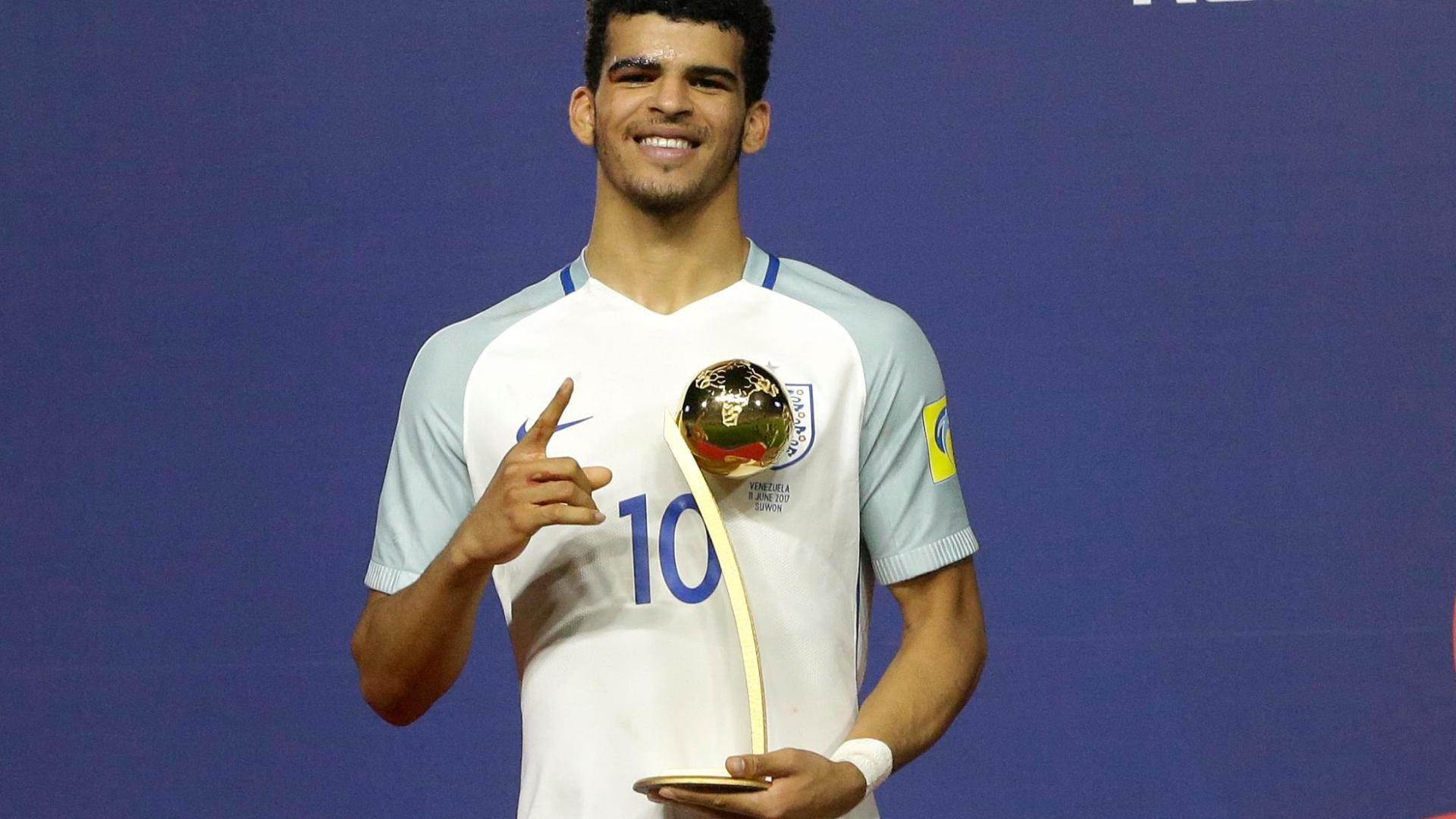 England’s 2017 triumph was about balance, teamwork, and a forward who finished everything. Solanke won the Golden Ball after a clinical tournament, earning a move to Liverpool soon after. The leap, though, was too quick. Big expectations, little game time. Now at Tottenham, he’s become a reliable Premier League striker, respected more for persistence than glamour.
5. Adama Traore (Mali, 2015) 🇲🇱 👑
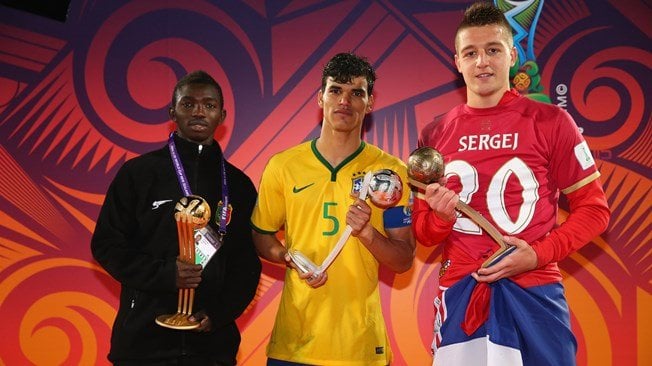
He was the heartbeat of Mali’s bronze-winning side in New Zealand, a silky midfielder with balance and a poet’s touch. Monaco snapped him up, and the comparisons to Yaya Toure came thick and fast. But European football swallowed him quickly. Adama Traore is a reminder that talent, no matter how beautiful, needs the right soil to grow.
6. Paul Pogba (France, 2013) 🇫🇷 👑:
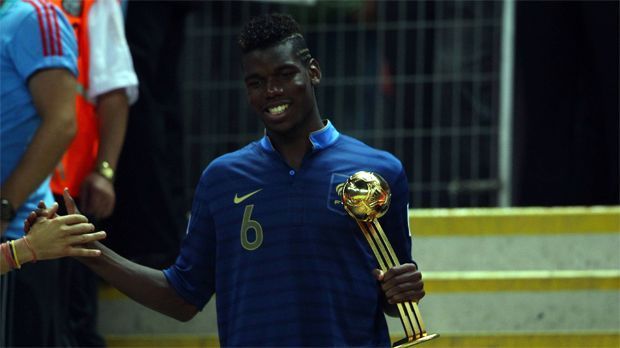
Few Golden Ball winners have ever carried expectations the way Paul Pogba did. In Turkey, he was France’s heartbeat, elegant, powerful, and effortlessly dominant. The award felt like confirmation of what was coming: a world-class midfielder built for the biggest stages. And for a while, he delivered. Juventus made him a global superstar; Manchester United made him a world record holder. A World Cup winner in 2018, Pogba fulfilled much of the prophecy. But injuries, inconsistency, and a doping ban have clouded his legacy. He is now back, trying to rediscover his form, but his story is both a success and a warning that greatness can be as fragile as it is beautiful.
7. Henrique Almeida (Brazil, 2011) 🇧🇷 👑
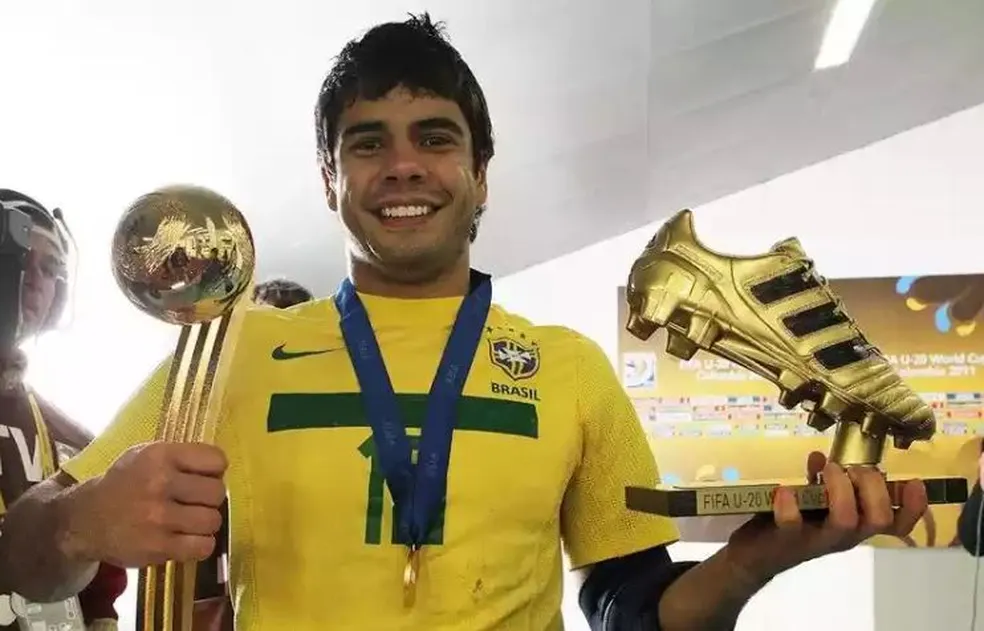
When Henrique Almeida lifted the Golden Ball in Colombia, Brazil believed they had found their next great No. 9. He was ruthless in front of goal, the kind of striker who scored before defenders even realised the danger. But once he left the youth setup, the goals dried up. His career became a long list of transfers; from Sao Paulo to Botafogo, from Japan to Turkey, without a defining moment
8. Dominic Adiyiah (Ghana, 2009) 🇬🇭 👑
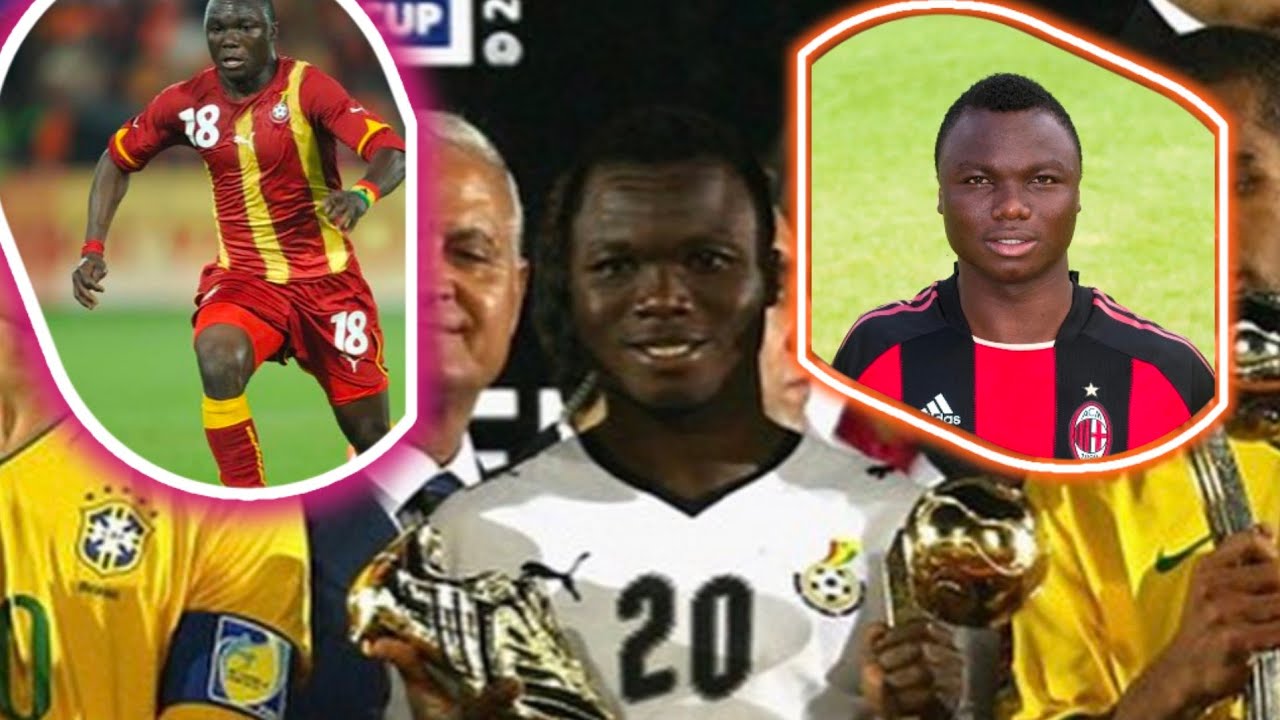
In Egypt, Adiyiah looked unstoppable; eight goals, a Golden Boot, a Golden Ball, and a winner’s medal. AC Milan signed him immediately. Ghana dreamed of another star to follow Essien and Asamoah Gyan. But Europe wasn’t patient. Adiyiah barely played a game for Milan, drifting through loans in Serbia, Norway, and Thailand. His fall was sudden and quiet. The man who once conquered youth football became another lesson in how hard it is to cross that invisible line between promise and success.
9. Sergio Aguero (Argentina, 2007) 🇦🇷 👑
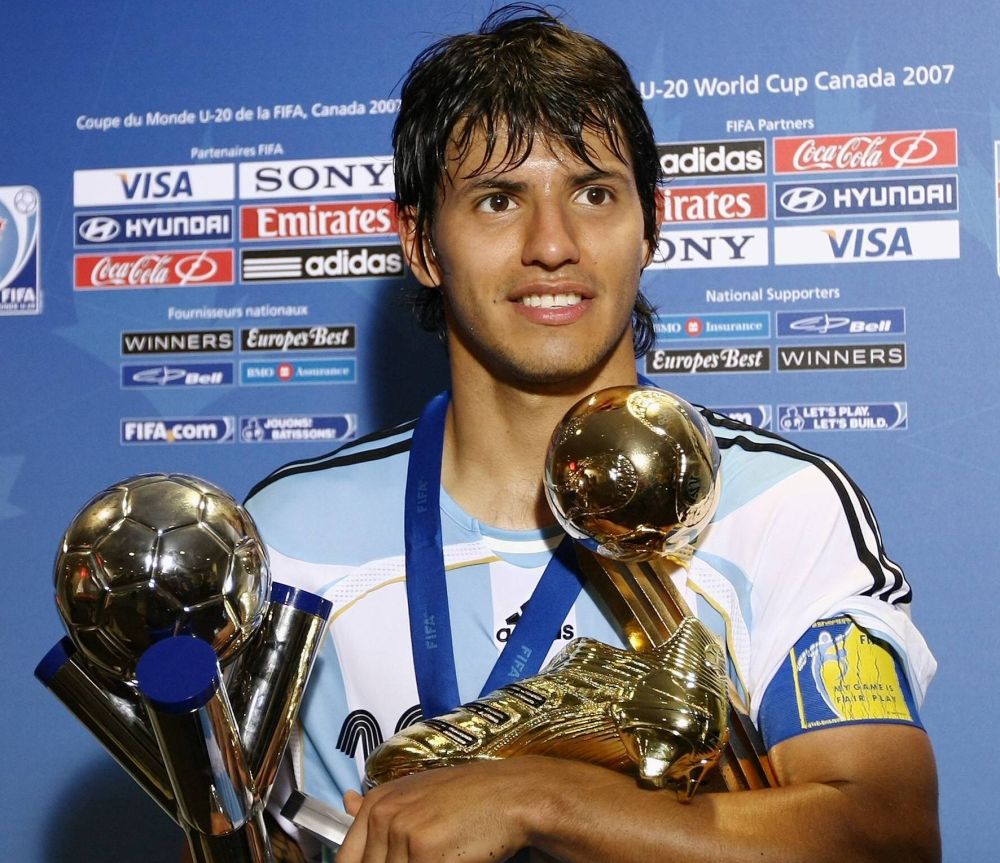
The 2007 U20 World Cup in Canada belonged to Aguero. He was fierce, clever, relentless, everything Argentina hoped he’d be after Messi’s 2005 heroics. Two years later, he was tearing up La Liga. By 23, he was rewriting Premier League history at Manchester City. Aguero’s career is the Golden Ball’s gold standard: talent realised, potential fulfilled. He scored 400 goals, won countless trophies, and became a symbol of consistency and class. When he retired due to a heart condition, football didn’t just lose a striker; it lost one of the few who lived up to the hype.
10. Lionel Messi (Argentina, 2005) 🇦🇷 👑
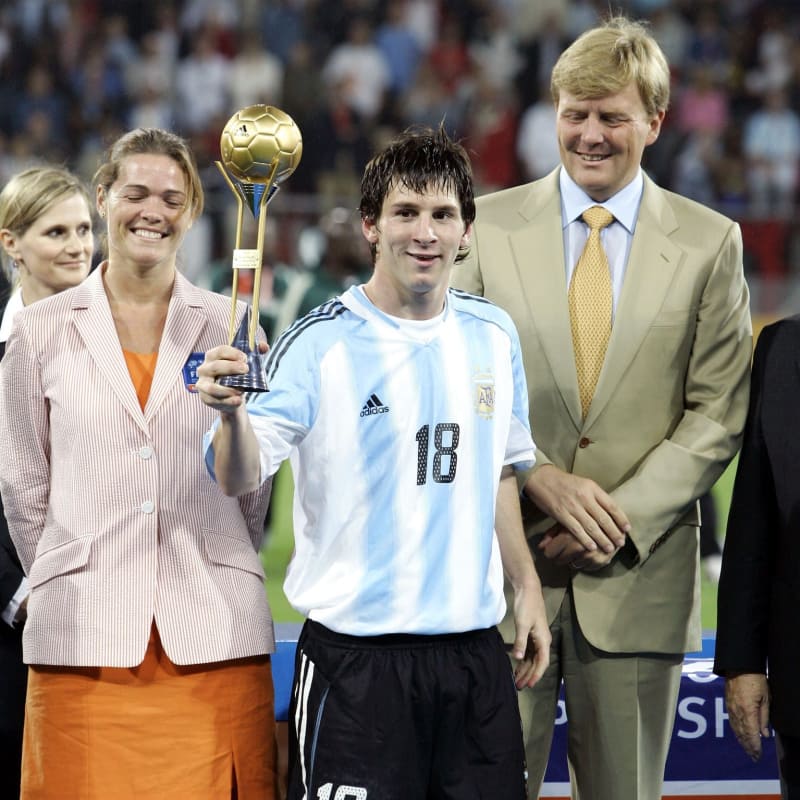
Every list begins here. The 2005 U20 World Cup in the Netherlands was the first glimpse of Lionel Messi’s genius, with seven goals, two finals strikes, and the Golden Ball to seal it. What followed hardly needs retelling: four Champions Leagues, eight Ballons d’Or, and the World Cup that completed his legend. Messi is the ultimate prophecy fulfilled. The Golden Ball wasn’t a prediction in his case; it was a confirmation that greatness had already arrived.
11. Ismail Matar (United Arab Emirates, 2003) 🇦🇪 👑
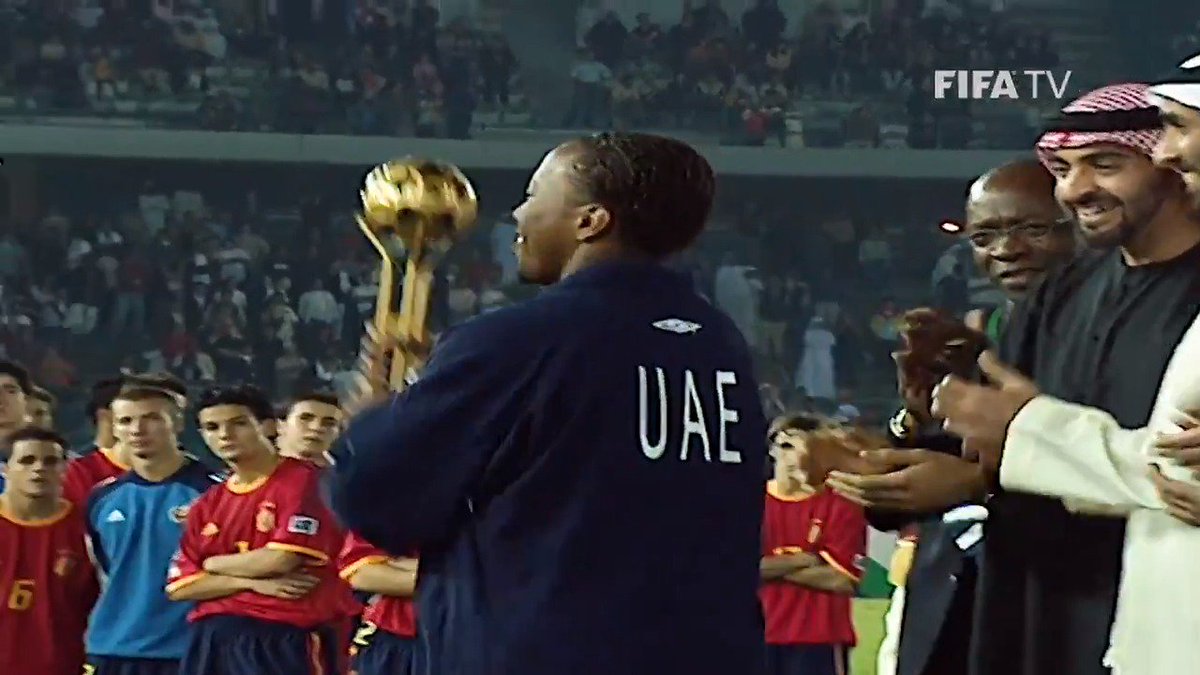
Ismail Matar’s Golden Ball win remains one of the most romantic stories in youth football. A 20-year-old from Al Wahda, dazzling crowds in the UAE’s desert heat. He led his country to a historic quarterfinal and carried Arab football’s pride on his shoulders. He became a national icon, a legend in Abu Dhabi, but never crossed into Europe’s bright lights. His story is one of love and legacy; proof that greatness doesn’t always need a global stage.
12. Javier Saviola (Argentina, 2001) 🇦🇷 👑
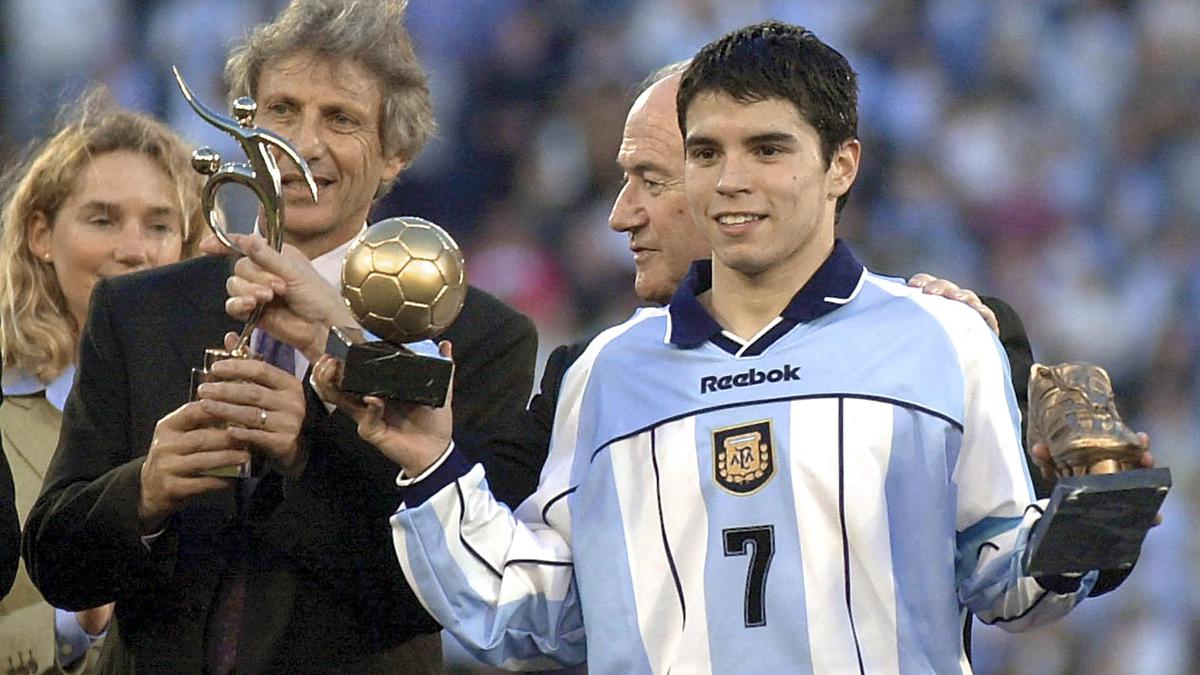
Before Messi, there was Saviola, the blonde prodigy who scored for fun in Argentina’s 2001 triumph. He moved to Barcelona as a teenager, dubbed “El Conejo,” the little rabbit with lightning feet. He had moments. Champions League nights, La Liga goals, but never quite lived up to the impossible hype.
13. Seydou Keita (Mali, 1999) 🇲🇱 👑
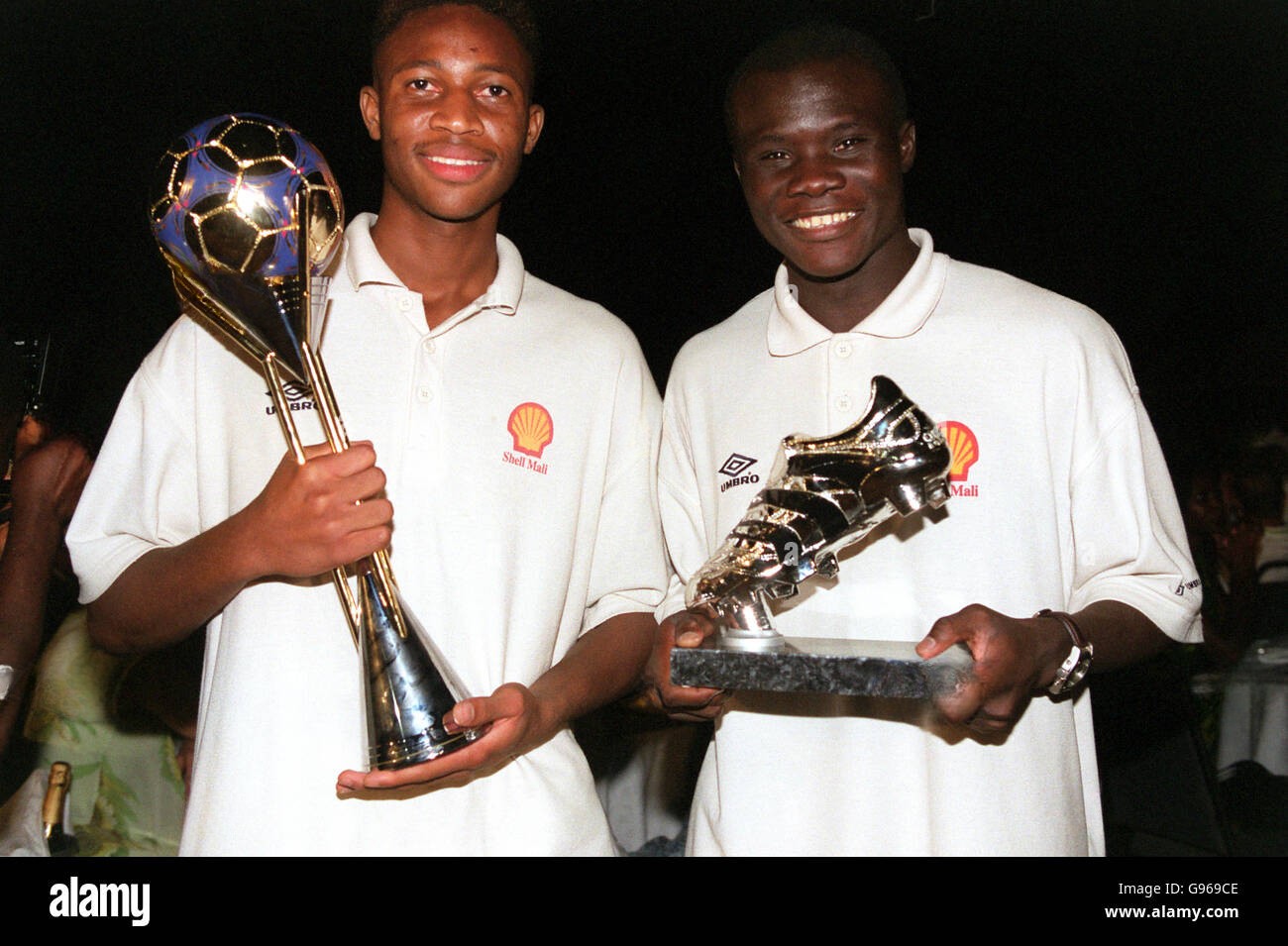
Calm, disciplined, and endlessly consistent. Keita’s performances at Nigeria 1999 earned him the Golden Ball and the reputation of a born leader. While he never grabbed global headlines, his career became a model of quiet excellence, Sevilla, Barcelona, and Roma. No flash, no scandal, just a career of respect and trophies.
14. Nicolas Olivera (Uruguay, 1997) 🇺🇾 👑
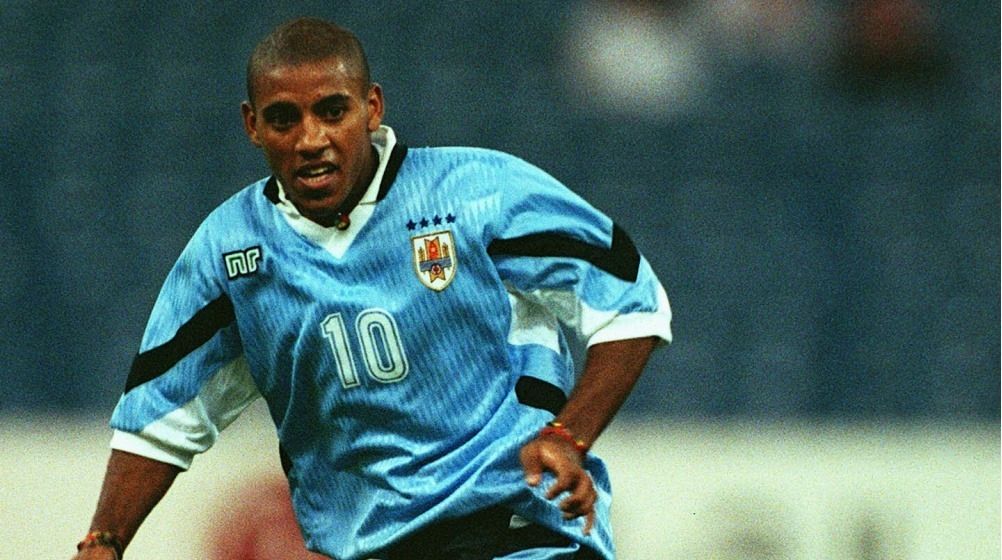
Olivera’s performances in Malaysia made him the pride of Uruguay, a creative forward who played with maturity beyond his years. A move to Europe followed, but like many South American stars of the 1990s, adaptation proved difficult. He enjoyed spells in Spain and Mexico, flashing brilliance without ever sustaining it. By his early 30s, he had faded from the top level.
15. Caio Ribeiro (Brazil, 1995) 🇧🇷 👑
Brazil’s first U20 Golden Ball winner arrived with all the signs of a superstar: flair, finishing, charisma. São Paulo saw him as the next Romário. Inter Milan came calling. But Caio never found his footing in Europe. Pressure, injuries, and a mismatch of styles derailed him. He retired early and reinvented himself as a television pundit in Brazil, where he’s now one of the country’s most popular analysts.
Closing Reflection 🌟⏳⚽
The last fifteen winners capture the full range of football’s future dreams. Some became global names. Some stayed local heroes. Some vanished into silence. But all of them were once the brightest kids in the world, standing on a stage that felt like the start of everything.
In the end, the Golden Ball teaches one truth. Talent gives you a chance, not a destiny. And somewhere out there, the next teenager is getting ready to shock us again.